
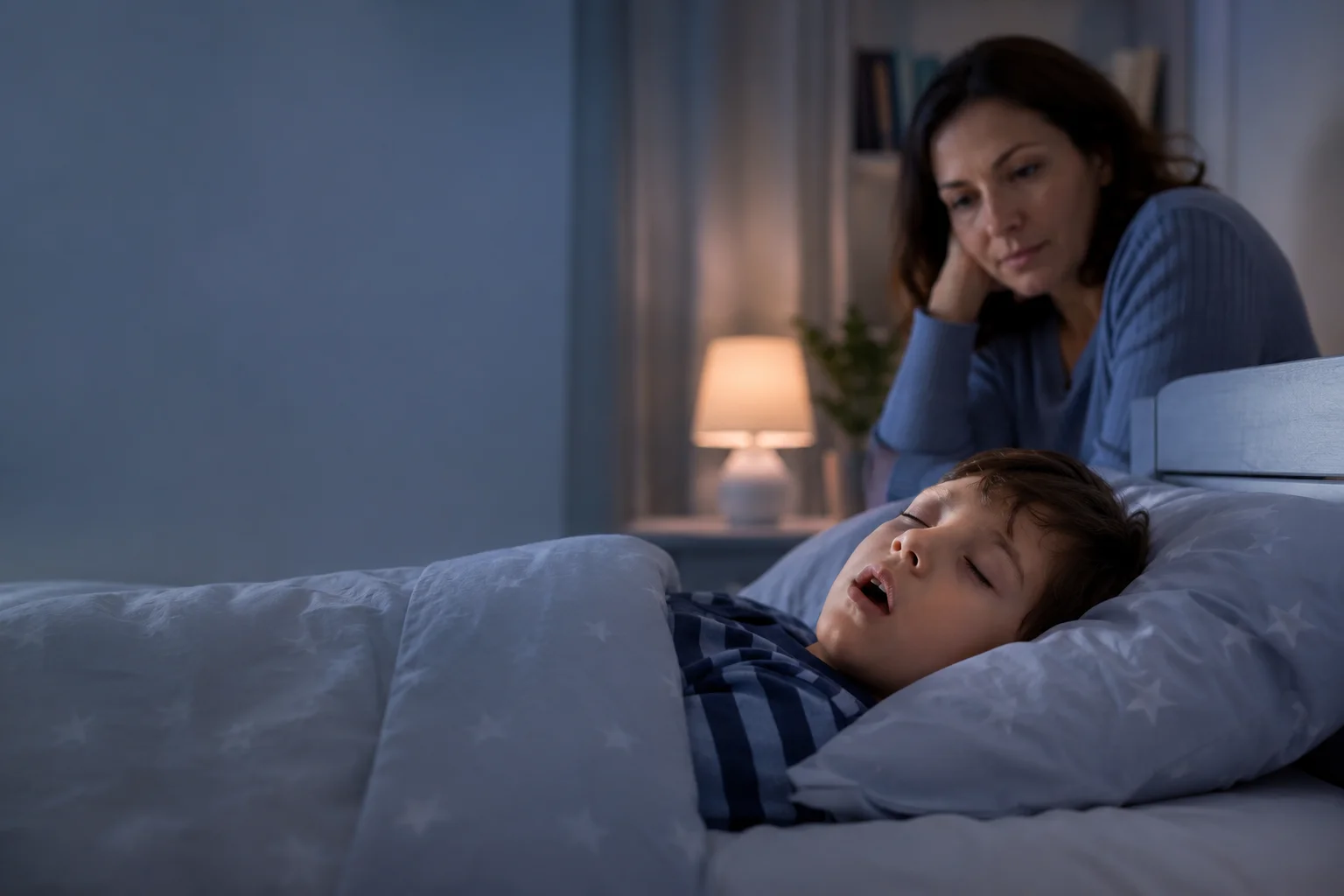
The staff provided excellent care, were nice to talk to and made a very comfortable visit. They were able to provide fillings to several chipped teeth with short notice while visiting Phoenix from out of country. Both myself and my dentist back home agreed the quality of the fillings were well done, and the colour was a great match. Highly recommend for the great staff and professional work done.
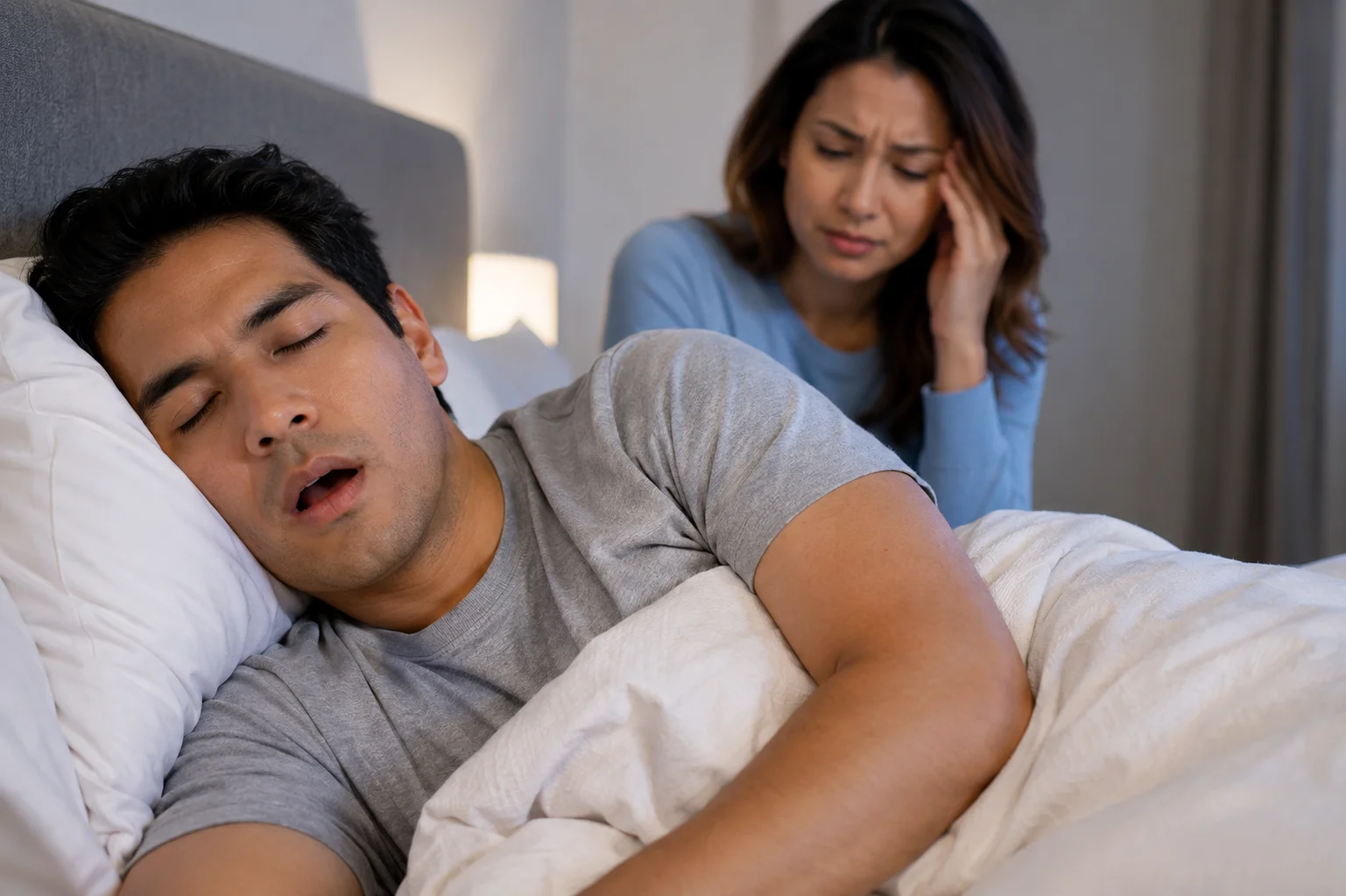
If your child seems exhausted no matter how much sleep they get, sleep apnea may be the reason. At Tempe Dentistry, Dr. Jeremy Chan, DDS, trained at the Arthur A. Dugoni School of Dentistry, is Vivos-certified and holds membership in the AADSM and AASM. He works with families across Tempe AZ to find the airway issues keeping kids from sleeping well. Most parents do not realize sleep apnea looks very different in children than it does in adults.
The signs in children are easy to miss because they look like behavioral or attention problems. Families in South Tempe and McClintock often discover their child’s mood swings or poor grades trace back to disrupted sleep. Understanding what to look for puts you in a position to get real answers.
What Pediatric Sleep Apnea Actually Looks Like
Sleep apnea in children is not always about loud snoring. Many children with obstructive sleep apnea breathe quietly during some parts of the night. The result is fragmented sleep that never reaches the deep stages a growing brain and body need. Tempe Dentistry offers families a clear starting point with a thorough airway evaluation from Dr. Jeremy Chan to determine whether QuietNight laser treatment is the right fit.
Sleep deprivation affects children differently than adults. Adults feel tired and sluggish. Children often become wired, impulsive, and hard to manage. That mismatch is one reason pediatric sleep apnea goes undiagnosed for months or years.
Nighttime Signs That Something Is Wrong
The most recognizable signs happen at night. Parents often normalize them without realizing what they mean. Snoring and restless sleep are common, but the list goes further than most parents expect. Here are the nighttime warning signs that deserve a closer look:
- Loud or frequent snoring, even when your child is not sick
- Mouth breathing during sleep or throughout the day
- Pauses in breathing you can observe while watching your child sleep
- Restless sleep, frequent position changes, or kicking throughout the night
- Sleeping with the neck extended or head hanging off the pillow
- Night sweats unrelated to room temperature
- Waking up frequently without a clear reason
- Bedwetting in children who were previously dry through the night
If you have observed two or more of these signs over several weeks, the airway deserves a professional evaluation. These signs do not confirm a diagnosis on their own. But they are strong enough signals that waiting to see if they resolve is rarely the right call.
How Sleep Apnea Affects Behavior and School Performance
Daytime symptoms are where pediatric sleep apnea does the most hidden damage. A child who is not sleeping well shows up the next day with a brain running on empty. The symptoms that follow look almost identical to ADHD and behavioral disorders. That is why so many children get misdiagnosed before anyone looks at the airway. The table below shows the overlap between pediatric sleep apnea symptoms and the conditions they are frequently mistaken for.
| Sleep Apnea Symptom | Commonly Mistaken For |
| Hyperactivity and impulsivity | ADHD |
| Difficulty focusing in school | Learning disability |
| Mood swings and irritability | Anxiety or behavioral disorder |
| Bedwetting | Developmental delay |
| Daytime sleepiness | Depression |
| Poor academic performance | Low motivation or effort |
Fragmented sleep disrupts the prefrontal cortex. That is the part of the brain responsible for focus, impulse control, and emotional regulation. Treating the airway often produces improvements in behavior that medication alone cannot match. Parents who explore sleep apnea causes often find the behavioral picture they have been managing has a physical explanation.

Physical Signs You Can See During the Day
Daytime physical signs are less obvious than nighttime snoring but just as important. A child with sleep apnea often develops habits that become visible once you know what to look for. Here are the daytime physical signs that point toward an airway problem:
- Chronic mouth breathing during waking hours
- Dark circles under the eyes despite adequate time in bed
- A long, narrow facial appearance developing over time
- Flared nostrils or visible effort during nasal breathing
- Frequent morning headaches or headaches throughout the day
- Slow growth or difficulty gaining weight appropriately
- Repeated ear infections or chronic congestion
- Grinding teeth at night as a response to airway restriction
Parents who notice several of these signs have a strong case for requesting an airway evaluation. A provider trained in pediatric airway health can connect the physical picture to the sleep picture. The sleep apnea quiz at Tempe Dentistry is a helpful starting point.
When to Seek an Evaluation and What Happens Next
Many parents wait too long before bringing sleep concerns to a provider. The most common reason is that the signs seem minor on their own. Snoring alone might be written off. Bedwetting alone might be attributed to development. But when several signs appear together, the pattern tells a different story.
Dr. Chan recommends an airway evaluation if your child shows three or more signs over several weeks. The evaluation covers symptoms, an airway assessment, and a review of treatment options specific to your child. If enlarged tonsils are contributing to the obstruction, non-surgical laser options may be available. A surgical referral is not always the first step.
Acting earlier always produces better outcomes. The longer sleep apnea goes unaddressed, the more it affects development, behavior, and academic performance. Pediatric airway problems rarely resolve on their own. Children who get evaluated early have far more options available to them.
Your Child’s Sleep Matters. Dr. Chan Can Help You Find Answers.
You have been watching your child struggle and wondering if something is wrong. That instinct is worth following. Parents in Tempe Gardens and Broadmor who come in for an airway evaluation leave with a clear picture of what is happening. Dr. Chan is the guide who takes the guesswork out of pediatric sleep health. He gives families a real diagnosis and a clear plan before any treatment decision is made.
The next step is a simple conversation. Schedule an evaluation at Tempe Dentistry and find out whether your child’s sleep and focus can improve with the right airway care. You do not have to keep watching and wondering. Dr. Chan and the team at Tempe Dentistry are here to help you get answers.
Frequently Asked Questions
What are the signs of sleep apnea in a child?
The most common signs include loud snoring, mouth breathing, and restless sleep at night. Daytime signs include hyperactivity, difficulty focusing, mood swings, and morning headaches. Bedwetting in children who were previously dry is also a frequent indicator. According to the American Academy of Sleep Medicine, obstructive sleep apnea affects one to five percent of children and is widely underdiagnosed.
How do I know if my child needs a sleep apnea evaluation?
If your child shows three or more consistent signs over several weeks, an evaluation is warranted. Signs to watch for include snoring, mouth breathing, pauses during sleep, and daytime hyperactivity. Poor school performance and bedwetting are also common indicators worth noting. According to the American Academy of Pediatrics, all children who snore regularly should be screened for obstructive sleep apnea.
Can a dentist diagnose and treat sleep apnea in children?
A dentist trained in airway health can evaluate the structural factors behind sleep-disordered breathing in children. This includes enlarged tonsils, jaw development, and nasal airway restriction. Dr. Chan is Vivos-certified and holds membership in the AADSM and AASM, giving him the background to assess pediatric airway concerns. According to the American Academy of Dental Sleep Medicine, dentists play a critical role in identifying sleep-disordered breathing across all age groups.
Is snoring in children normal or a warning sign?
Occasional light snoring during a cold or allergy season is common and usually resolves on its own. Frequent or loud snoring that happens regularly regardless of illness is not normal. It should be evaluated by a provider trained in airway health. The Mayo Clinic notes that habitual snoring in children is a reliable indicator of obstructive sleep apnea.
Related Articles