



The staff provided excellent care, were nice to talk to and made a very comfortable visit. They were able to provide fillings to several chipped teeth with short notice while visiting Phoenix from out of country. Both myself and my dentist back home agreed the quality of the fillings were well done, and the colour was a great match. Highly recommend for the great staff and professional work done.

Many parents leave a pediatrician appointment with a tonsillectomy recommendation and no clear explanation of why. At Tempe Dentistry, Dr. Jeremy Chan, DDS, trained at the University of the Pacific Arthur A. Dugoni School of Dentistry, is Vivos-certified, and holds membership in the AADSM and AASM. He helps families across Tempe AZ understand what drives the need for tonsil removal. Tonsillectomy is not always necessary, and knowing the criteria helps you ask better questions before agreeing to surgery.
The decision to remove a child’s tonsils deserves careful thought and real information. Families in McClintock and Hughes Acres are often surprised to learn that non-surgical alternatives exist. Many children with enlarged tonsils respond well to less invasive treatment. Understanding what the research says puts you in a stronger position as a parent.
What the Tonsils Actually Do and Why Size Is Not Everything
Tonsils are part of the lymphatic system and help the body fight infection during early childhood. Their immune role diminishes as children grow older, which is why tonsillectomy has historically been considered low risk. But removing them is still a surgical procedure with real recovery time and real risks. Tempe Dentistry takes a different approach, starting with a thorough evaluation with Dr. Jeremy Chan to determine whether QuietNight laser treatment can address the problem without surgery.
A child can have Grade 3 tonsils and sleep perfectly well. Another child with Grade 2 tonsils may struggle with significant airway obstruction and behavioral issues tied to poor sleep. The relationship between tonsil size and symptoms is what matters most, not the grade on its own. Chronic infection and airway obstruction are the two main reasons tonsillectomy gets recommended. Each has its own set of clinical criteria. Understanding which category your child falls into changes the conversation significantly.
When Tonsil Removal Is Actually Warranted
Not every child who snores or gets frequent throat infections needs surgery. Providers use specific clinical criteria to determine whether tonsillectomy is appropriate. Here are the situations where tonsil removal is most clearly supported by the evidence:
- Seven or more documented throat infections in one year
- Five or more infections per year for two consecutive years
- Three or more infections per year for three consecutive years
- Tonsils so large they cause difficulty swallowing or severe airway obstruction
- Obstructive sleep apnea confirmed by a sleep study with significant severity
- Recurrent peritonsillar abscess that does not respond to antibiotics
- Suspected malignancy requiring tissue evaluation
If your child does not meet these thresholds, surgery may be premature. A second opinion from a provider trained in airway health can help you determine whether a less invasive approach is worth exploring first.
How Tonsil Removal Compares to Laser Tonsil Reduction
Tonsillectomy has a long track record but it is not without drawbacks. The recovery alone is enough to give most families pause, especially when a child is young. Understanding both options side by side helps you make a more informed decision. The table below compares traditional tonsillectomy with QuietNight laser tonsil reduction at Tempe Dentistry.
| Factor | Tonsillectomy | QuietNight Laser Reduction |
| Anesthesia | General anesthesia required | No general anesthesia |
| Setting | Hospital or surgical center | Dental office |
| Recovery time | 1 to 2 weeks | Significantly shorter |
| Tonsil removal | Complete removal | Tissue reduction, tonsils remain |
| Referral required | Yes, ENT surgeon | No referral needed |
| Best for | Severe obstruction or chronic infection | Moderate enlargement and snoring |
Neither option is right for every child. The goal is matching the treatment to the actual clinical need. Children whose symptoms point to both sleep apnea causes and chronic infection may need a different conversation than those whose tonsils are enlarged without frequent illness.
What Laser Tonsil Reduction Offers Families Who Want to Avoid Surgery
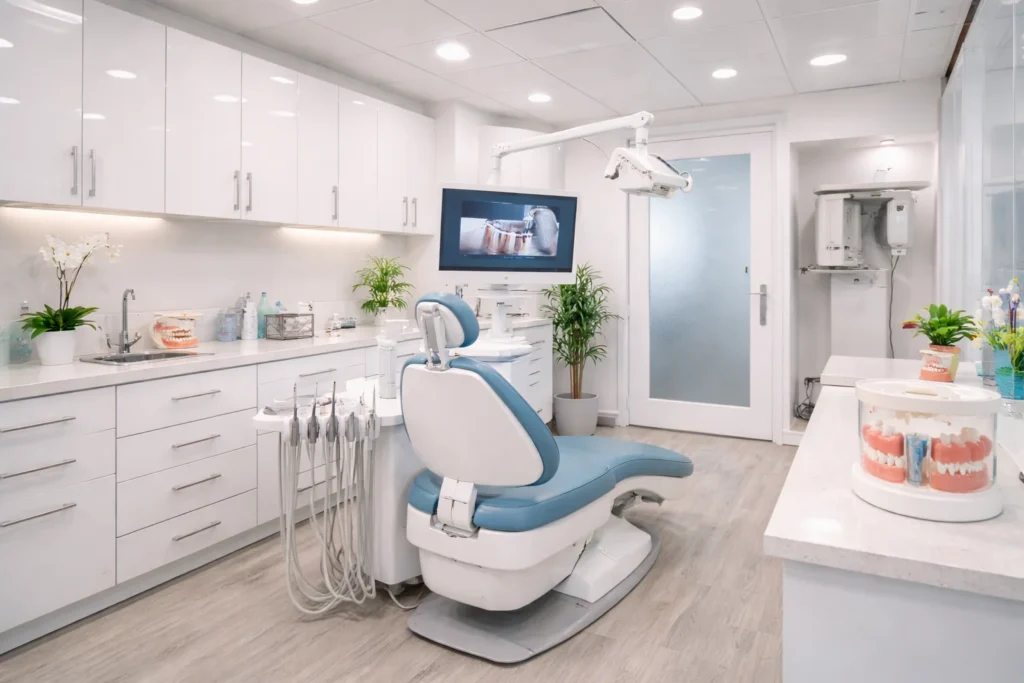
QuietNight laser treatment uses targeted laser energy to reduce tonsil tissue without removing it entirely. The procedure is performed in the dental office with no general anesthesia required. Recovery is far shorter than what families experience after a traditional tonsillectomy. Here is what sets laser tonsil reduction apart from surgery:
- No hospital visit or surgical center required
- No general anesthesia and no intubation
- Performed by a trained provider in a familiar dental setting
- Targets tonsil tissue precisely without affecting surrounding structures
- Shorter, more manageable recovery for children
- Can be explored before committing to full surgical removal
For families who want to try non-surgical options first, QuietNight laser treatment is a clinically grounded place to start. Parents who also want to understand the broader picture of their child’s airway health will find helpful context in our sleep apnea hub. Dr. Chan will tell you honestly whether laser treatment fits your child’s situation or whether surgery is the better path.
The Risks of Moving Too Fast Toward Surgery
Tonsillectomy is one of the most commonly performed pediatric surgeries in the United States. That familiarity can make it feel routine, but routine does not mean risk-free. General anesthesia carries risks for young children, and post-operative bleeding is a documented complication that occasionally requires a return to the hospital.
Research published in recent years has raised questions about long-term immune function in children who have tonsils removed at a young age. The tonsils are not vestigial tissue. They serve a real purpose early in life, and their removal may have effects that are not immediately obvious. None of this means tonsillectomy is wrong when it is genuinely indicated. It means the bar for recommending surgery should be high. Families deserve to know that other options exist before any decision gets made.
You Deserve Answers Before Anyone Picks Up a Scalpel.
You are not overreacting by wanting more information before your child has surgery. Parents in Tempe Gardens and South Tempe who come to Tempe Dentistry for an airway evaluation leave with a clear understanding of what is driving their child’s symptoms. Dr. Chan is the guide who gives you the full picture so you can make a confident decision, not one driven by urgency or incomplete information.
Schedule a consult at Tempe Dentistry today and find out whether your child is a candidate for laser tonsil reduction before committing to surgery. You have more options than you may realize, and Dr. Chan will help you understand every one of them. A better path forward may be available right here in Tempe without a single visit to an operating room.
Frequently Asked Questions
How do doctors decide if a child needs their tonsils removed?
Providers use specific clinical criteria to determine whether tonsillectomy is appropriate, including the frequency of documented throat infections and the severity of airway obstruction. A child who does not meet those thresholds may benefit from a less invasive approach before surgery is considered. Tonsil size alone is not sufficient justification for removal, and a second opinion from an airway-trained provider is always reasonable. The American Academy of Otolaryngology and the American Academy of Pediatrics both publish clinical guidelines outlining the specific criteria for recommending tonsillectomy.
Is tonsil removal the only option for enlarged tonsils in children?
No. Tonsillectomy is one option, but laser tonsil reduction is a non-surgical alternative that reduces tonsil tissue without general anesthesia or a lengthy recovery. Children with moderate tonsil enlargement and sleep-related symptoms are often good candidates for laser treatment. Dr. Chan at Tempe Dentistry evaluates each child individually to determine which approach fits their clinical picture. The Mayo Clinic and the American Academy of Otolaryngology both acknowledge non-surgical management as a valid consideration for appropriate candidates.
What are the risks of tonsil removal surgery in children?
Tonsillectomy carries the standard risks of any procedure requiring general anesthesia, including adverse reactions and airway complications during surgery. Post-operative bleeding is the most common serious complication and occasionally requires a return to the hospital for treatment. Some research also suggests potential long-term effects on immune function in children who have tonsils removed at a young age. The American Academy of Otolaryngology and the Mayo Clinic both provide detailed information on tonsillectomy risks and what families should discuss before proceeding.
Can a dentist treat enlarged tonsils without surgery?
Yes. A dentist trained in airway health and laser dentistry can use QuietNight laser treatment to reduce tonsil tissue and open the airway without surgical removal. Dr. Chan at Tempe Dentistry holds membership in the AADSM and AASM and is Vivos-certified, giving him the clinical background to evaluate and treat airway-related conditions in children. Laser tonsil reduction is performed in the dental office with no general anesthesia and a significantly shorter recovery than a traditional tonsillectomy. The American Dental Association and the American Academy of Sleep Medicine both support minimally invasive airway interventions as appropriate alternatives when clinical criteria are met.
Related Articles