


The staff provided excellent care, were nice to talk to and made a very comfortable visit. They were able to provide fillings to several chipped teeth with short notice while visiting Phoenix from out of country. Both myself and my dentist back home agreed the quality of the fillings were well done, and the colour was a great match. Highly recommend for the great staff and professional work done.
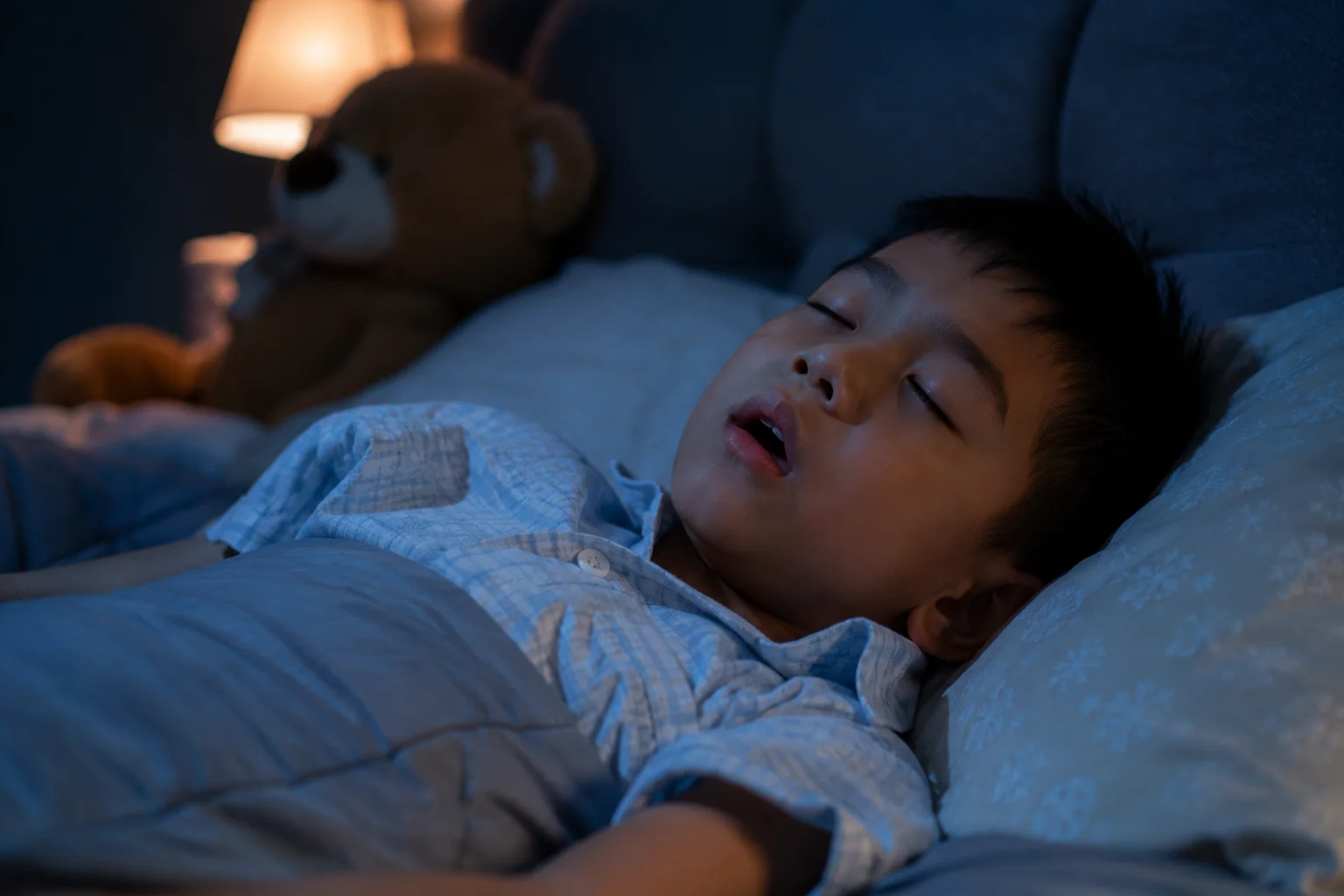
If your child snores loudly at night or wakes up tired every morning, enlarged tonsils may be blocking their airway. At Tempe Dentistry, Dr. Jeremy Chan, DDS, trained at the University of the Pacific Arthur A. Dugoni School of Dentistry, is Vivos-certified, and holds membership in the AADSM and AASM. He works with families across Tempe AZ to find the airway issues keeping kids from sleeping well. Most parents assume childhood snoring is harmless, but enlarged tonsils can cause serious, lasting health problems.
The connection between enlarged tonsils and pediatric sleep apnea is well documented. Children in South Tempe and McClintock whose sleep apnea goes unaddressed often show signs that look like ADHD. Poor focus, hyperactivity, and struggles in school are common results of untreated airway obstruction. Understanding what is happening in your child’s airway is the first step toward real improvement.
What Enlarged Tonsils Do to a Child’s Airway
Tonsils sit at the back of the throat and play a role in the immune system. In children, they can become chronically enlarged, sometimes without any illness triggering it. When that happens, the tonsils narrow the airway and make breathing harder during sleep. Tempe Dentistry offers families a clear path forward, starting with a thorough airway evaluation with Dr. Jeremy Chan to determine whether QuietNight laser treatment is the right fit for your child.
The result is obstructive sleep apnea. Breathing repeatedly stops and starts throughout the night. Each time the airway collapses, the brain triggers a response to restart breathing. Your child may not fully wake up, but their sleep never reaches the deep stages their brain and body need. Fragmented sleep affects growth hormone release, immune function, and cognitive development. These are not minor inconveniences. They are real health risks that grow worse the longer the problem goes without attention.
Signs Your Child May Have a Sleep-Breathing Problem
Many parents are surprised to learn that behavioral problems and poor grades in children frequently trace back to a sleep-breathing disorder. The signs are easy to miss because they look like other childhood issues. Here are the most common warning signs that enlarged tonsils may be disrupting your child’s sleep:
- Loud or frequent snoring, even when your child is not sick
- Mouth breathing during sleep or throughout the day
- Pauses in breathing observed during sleep
- Restless sleep, kicking, or sleeping in unusual positions
- Waking up with headaches or a dry mouth
- Daytime sleepiness despite a full night in bed
- Difficulty focusing, hyperactivity, or behavior problems at school
- Bedwetting in children who were previously dry at night
- Slow growth or poor weight gain
If your child shows several of these signs consistently, the airway deserves a closer look. Children who struggle with sleep apnea often show these symptoms for months before a parent connects them to a breathing problem. A provider who understands airway health can help you determine what is actually happening and whether the sleep apnea quiz is a good starting point for your next conversation with Dr. Chan.
How Tonsil Size Connects to Sleep Apnea Severity
The relationship between tonsil size and sleep apnea severity is direct. Larger tonsils leave less room for airflow, and in children whose airways are already smaller, even moderate enlargement causes significant obstruction. Adenoids, the tissue sitting behind the nose at the top of the throat, often enlarge alongside the tonsils and narrow the airway from two directions at once. The table below shows how tonsil grade maps to sleep apnea risk in children.
| Tonsil Grade | Description | Sleep Apnea Risk |
| Grade 1 | Tonsils within the pillars | Low |
| Grade 2 | Tonsils extending to the pillars | Moderate |
| Grade 3 | Tonsils extending past the pillars | High |
| Grade 4 | Tonsils meeting at the midline | Very High |
Grading alone does not determine treatment. A child with Grade 2 tonsils and significant symptoms may need care sooner than a child with Grade 3 tonsils who sleeps well. Clinical evaluation puts the right context around the numbers, and not every child with enlarged tonsils needs surgery.
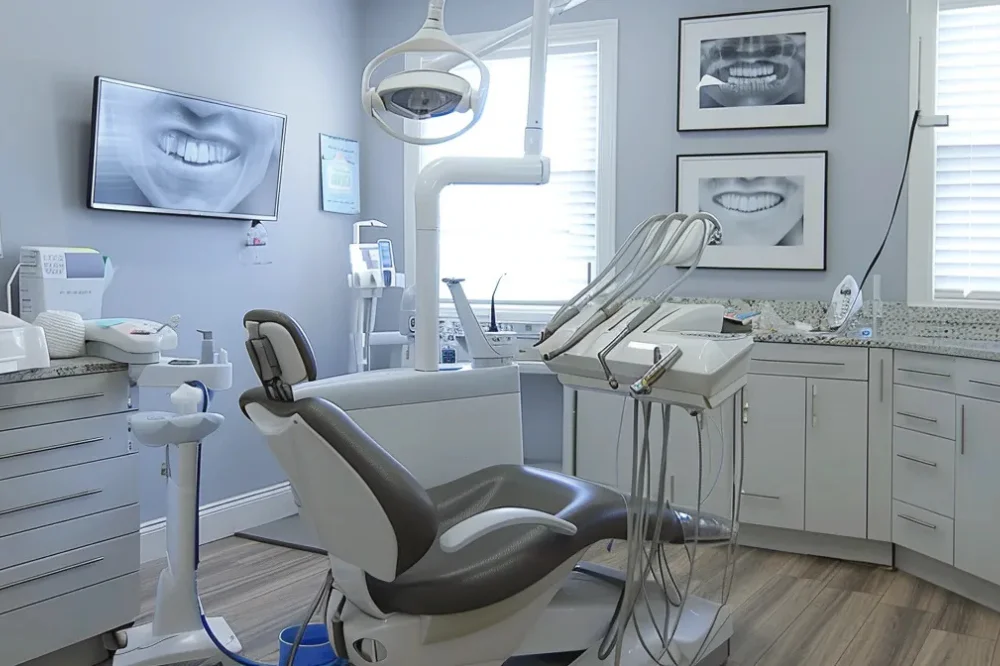
Non-Surgical Laser Treatment for Enlarged Tonsils in Tempe AZ
Tonsillectomy has been the standard answer to enlarged tonsils for decades, but it comes with general anesthesia and a painful recovery of one to two weeks. For families in Tempe AZ who want to explore alternatives, laser tonsil reduction is a meaningful option worth knowing about. Here is how QuietNight laser treatment at Tempe Dentistry compares to traditional tonsillectomy:
- No general anesthesia required
- Performed in the dental office, not an operating room
- Significantly shorter recovery time
- Reduces tonsil size without full removal
- Available without a surgical referral
- Appropriate for children with moderate tonsil enlargement
For children with moderate enlargement and sleep-related breathing issues, QuietNight laser treatment can open the airway and improve sleep quality meaningfully. Dr. Chan evaluates each child individually, considering symptoms, tonsil grade, and overall airway health before recommending any path forward. Children dealing with both sleep apnea and TMJ symptoms often find that addressing the airway first produces improvement in both conditions.
What Happens When Pediatric Sleep Apnea Goes Untreated
Pediatric sleep apnea does not always resolve on its own. Some children grow into their airways as their facial structure matures, but many do not. The children who go untreated carry the burden of poor sleep into adolescence and adulthood, and the consequences grow over time.
Academic performance suffers first. Mood and behavior follow. Long-term cardiovascular effects, including elevated blood pressure, are well documented in children with untreated obstructive sleep apnea. The American Academy of Sleep Medicine identifies pediatric OSA as a serious condition that requires clinical evaluation, not a watch-and-wait default. Acting earlier gives your child more options and better outcomes. Laser treatment is one of those options, and it is available now without a referral to a surgeon.
Your Child Can Sleep Better. Dr. Chan Can Help You Get There.
You noticed something is wrong with your child’s sleep, and that instinct brought you here. Parents in Tempe Gardens and Broadmor who bring their children in for an airway evaluation leave with a clear picture of what is happening and what their options are. Dr. Chan is the guide who helps families make sense of tonsil grading, sleep apnea severity, and whether laser treatment is the right fit before any decision is made.
The next step is simple. Schedule a consult at Tempe Dentistry and find out whether your child’s sleep, focus, and health can improve without surgery. You do not have to choose between doing nothing and going to an operating room. A better option is available right here in Tempe, and Dr. Chan will walk you through every step.
Frequently Asked Questions
Can enlarged tonsils cause sleep apnea in children?
Yes, enlarged tonsils are the leading cause of obstructive sleep apnea in children. When tonsil tissue narrows the airway, breathing repeatedly pauses during sleep, preventing your child from reaching the deep sleep their brain and body need. Symptoms range from loud snoring to behavioral issues and poor school performance, and an airway evaluation is the right next step when you notice these signs. The American Academy of Sleep Medicine and the American Academy of Pediatrics both recognize enlarged tonsils as a primary driver of pediatric sleep-disordered breathing.
What are the signs of sleep apnea in a child?
The most common signs include loud snoring, mouth breathing, and restless sleep throughout the night. Waking with headaches, daytime tiredness, difficulty focusing, and bedwetting are also frequent indicators that something is disrupting your child’s airway during sleep. Many of these symptoms look like behavioral or attention problems, which is why pediatric sleep apnea is frequently missed or misdiagnosed by parents and providers alike. The Mayo Clinic and the American Academy of Otolaryngology provide detailed guidance on recognizing these signs early.
Does my child need a tonsillectomy for enlarged tonsils?
Not always. Tonsillectomy is one option, but laser tonsil reduction is a non-surgical alternative that reduces tonsil size without general anesthesia or a long recovery period. Whether surgery is necessary depends on tonsil grade, symptom severity, and your child’s overall airway health as evaluated by a qualified provider. Dr. Chan at Tempe Dentistry evaluates each child individually before recommending any treatment path. The American Academy of Otolaryngology and the Mayo Clinic both outline the criteria used to determine when surgery is and is not necessary.
Is laser tonsil treatment safe for children?
Laser tonsil reduction is an in-office procedure that does not require general anesthesia and uses targeted laser energy to reduce tonsil tissue and open the airway without full removal. Recovery is significantly shorter than a traditional tonsillectomy, and the procedure is performed in a controlled dental setting by a trained provider. Dr. Chan determines during your child’s evaluation whether laser treatment is appropriate based on age, tonsil grade, and symptom profile. The American Dental Association and the American Academy of Sleep Medicine support the use of minimally invasive airway treatments as alternatives to surgical intervention where clinically appropriate.
Related Articles