
The staff provided excellent care, were nice to talk to and made a very comfortable visit. They were able to provide fillings to several chipped teeth with short notice while visiting Phoenix from out of country. Both myself and my dentist back home agreed the quality of the fillings were well done, and the colour was a great match. Highly recommend for the great staff and professional work done.
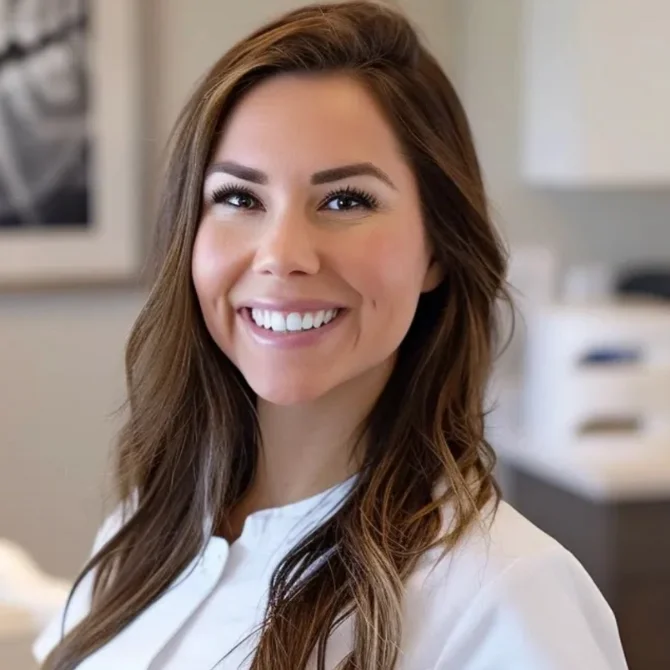
Get Your Gums Healthy With a Plan You Understand
Gum disease treatment in Tempe, AZ starts with finding out how far the disease has gone and what it will take to stop it. You’ll learn the four treatments Tempe Dentistry offers, who each one fits, what it costs, and what happens after. Dr. Jeremy Chan, DDS, treats gum disease at Tempe Dentistry under Arizona license 10020. He earned his DDS at the Arthur A. Dugoni School of Dentistry at University of the Pacific.
Many people with bleeding or tender gums worry about a lecture, a long treatment list, or a surprise bill. Those worries are common, and they keep many people from booking an exam until the problem has grown. Left alone, gum disease can reach the bone holding your teeth in place, which may lead to loose teeth and a larger treatment plan.
How Is Gum Disease Treated at Tempe Dentistry?
Most gum disease treatment at Tempe Dentistry starts with scaling and root planing, a deep cleaning below the gumline taking one to two hours. Depending on your exam results, Dr. Chan may add antibiotic therapy or laser care to the deep cleaning. Advanced cases may need surgery over several sessions. Your gums are numbed first, and the team goes at your pace.
The first step is an exam with X-rays and gum measurements, which show how deep each pocket runs and whether bone is affected. Dr. Chan explains what he sees in plain terms, one tooth at a time. You get now, soon, and later priorities and a written estimate for each step before anything is scheduled.
Which Gum Disease Treatment Do You Need?
The right treatment depends on how far the disease has progressed, from early gum inflammation to deep pockets and bone loss. Tempe Dentistry offers four treatments, and many patients need only one or two. The table below shows what each treatment does and how long it usually takes, so you know what to expect at each visit.
| Treatment | What it does | Typical time |
|---|---|---|
| Scaling and root planing | Deep cleaning below the gumline to remove tartar and smooth the root surfaces | 1 to 2 hours |
| Antibiotic therapy | Medicine to help control the infection in the gum pockets | Varies by case |
| Laser treatment | Targets bacteria and infected tissue in the gum pockets | 30 to 60 minutes |
| Surgical treatment | Care for advanced disease when deep cleaning alone isn’t enough | Multiple sessions |
Source: Tempe Dentistry treatment information, November 2026. Times are typical and results vary by patient.
Your plan may combine treatments, such as a deep cleaning plus antibiotic therapy in the deepest pockets. Our periodontal therapy page covers the deep cleaning visits in more detail. Dr. Chan recommends only what your gums need, and he explains the reason for each step before you agree to it.
What Signs Mean You Should Have Your Gums Checked?
Six warning signs are worth an exam, even when nothing hurts yet, since gum disease often causes little or no pain early on. Spotting them early can mean a simpler treatment and a smaller bill. These are the signs the National Institute of Dental and Craniofacial Research lists most often.
- Red, swollen, or tender gums
- Gums bleeding easily when you brush or floss
- Gums pulling away from your teeth, so teeth look longer
- Loose or sensitive teeth
- Pain when you chew
- Persistent bad breath
If you notice even one of these, a gum exam can show whether it’s early inflammation or something deeper below the gumline. Early gum disease can often be reversed with better brushing, flossing, and a professional cleaning. Waiting gives bacteria more time to spread below the gumline, where only a dentist or hygienist can reach.
How Common Is Gum Disease Among Adults?
About 4 in 10 US adults ages 30 and older had some level of gum disease in 2009 to 2014, according to the CDC. Among adults 65 and older, the share rose to about 60 percent. Men were more likely to have it than women, at about 1 in 2 compared with 1 in 3.
Source: Centers for Disease Control and Prevention, Gum (Periodontal) Disease, 2009 to 2014 national data.
Diabetes raises the risk, and 11.5 percent of Arizona adults reported having diabetes in 2024, based on federal survey data from America’s Health Rankings. If you have diabetes, Dr. Chan may suggest more frequent gum checks. Patients from McClintock and The Lakes reach the office on Rural Road near the Tempe History Museum, with visits starting at 7:00 AM.
Why Does Dr. Chan Check Your Bite When Treating Your Gums?
The CDC lists teeth grinding, clenching, and a misaligned bite among the factors linked to gum disease, alongside smoking and diabetes. Dr. Chan treats jaw and grinding problems at the root, so he looks at how your teeth meet when he plans gum care. This whole-person approach means a grinding habit gets addressed along with the infection itself.
Grinding at night adds stress to teeth already weakened by gum disease, which may make loosening worse. When Dr. Chan sees signs of grinding, he may suggest a custom night guard to protect your teeth while your gums heal. He’ll explain whether it’s needed now or can wait, and what it costs, before you decide.
What Does Gum Disease Treatment Cost?
The cost of gum disease treatment depends on how many areas need care and which treatments you need. A deep cleaning is billed per quadrant, or one quarter of your mouth, and your estimate shows each one. Every patient gets this written estimate before any treatment begins.
Tempe Dentistry is in network with most PPO plans, and many plans cover part of a deep cleaning, though terms vary by plan. CareCredit financing, in-house membership plans, and HSA or FSA funds can help with your share. Our guide to deep cleaning cost explains quadrant pricing, and the $125 new patient visit excludes complex gum disease.
What Happens After Gum Disease Treatment?
After treatment, most patients move to periodontal maintenance cleanings, often every three to four months instead of every six. These visits clean below the gumline and track your pockets, and patients often mention Margie, our hygienist, for her gentle care. Dr. Chan adjusts the schedule as your gums heal and stay stable.
Home care matters as much as the visits, because daily brushing and flossing keep plaque from building back up between cleanings. If you smoke, quitting can help your gums heal and make treatment more likely to work. Results vary by patient, and the hygienist checks your progress at each maintenance visit.
Get Your Gums Back on Track With an Honest Plan
Dr. Chan was born and raised in Phoenix and did his residency at El Rio Community Health Center in Tucson. Every visit is judgment-free, whether it has been six months or six years. Patients from Tempe, Chandler, Gilbert, and Mesa all see a written estimate before any treatment begins. Once your gums are under control, brushing can stop bringing blood and your teeth get a better chance of lasting.
Call 480-897-2274 to book a gum exam and get your written estimate. You can also book online at tempe.dental and mention any bleeding, swelling, or loose teeth when you arrive. Early morning appointments start at 7:00 AM Monday through Thursday.
This page is for general information and is not a substitute for an exam by a licensed dentist. Results vary by patient. Coverage varies by plan.
Tristan Avery
Tristan Avery
Christine T
Christine T
Karen Jones
Highly recommend! Thorough and gentle care. Up to date on preventive services. Office staff is super friendly! The hygienist, Margie takes her time and is very gentle! And Dr. Chan is fantastic!
Karen Jones
KiLimePie
I love Dr Chan and everyone that works there. Everyone is kind and they make going to the dentist a gentle experience!
KiLimePie
Amin291
Dr. Chan is the best dentist I’ve had by far! Exceptionally knowledgeable, caring and works to make sure you can get the care you need regardless of insurance and finances. I’ve always been wary of medical professionals as I feel they try and prolong your care for profit, but Dr. Chan genuinely seems to care. 10/10!
Amin291
Angel Flores
Very clean space and atmosphere
Extremely professional staff. Dentist took incredible time to explain the health of my teeth and have amazing recommendations on how to improve to PREVENT coming here. Love the place. 10/10 approve.
Angel Flores
Erica Pinkstaff
Everybody was very nice and honest. I had a cleaning and xrays done and they listened to my concerns, took the time to educate me and answer questions, and walked through the finaces with me. It felt like they were there to help me and not scam me. I am happy to be a patient and cant wait to come back.
Thank you to the team Desiree, Margie, Dr. Chan, and I believe Ann.
Erica Pinkstaff
Aafie Somers
I’ve been going here for a few years now. They are awesome! Easy, kind and quick. They get to the point and are upfront with options. Cool about payment plans and not pushy about getting your future work done. Margie did my cleaning today and was so sweet. Ann that works the office is an absolute GEM!
Aafie Somers
Aneas Cleveland
I can’t speak highly enough of this office. Ann is an excellent front-office presence, Desiree will joke around and share stories, and Dr. Chan is a phenomenal dentist. The warmth and care provided makes this office an easy choice for dental work. Support local, support wonderful people.
Aneas Cleveland
Teresa Vinson
Dr. Jeremy Chan has been amazing since my time with his office!
Aside from my cleanings he offers very reasonable orthodontics at his office! I have previously had braces, but my retainer broke a few years back and my teeth have shifted. Well, I just got 3-D impressions of my teeth to start the correction process again, but this time in style with clear aligners!!!!
I’m super excited because this comes at a time in my life where I am refining things, and to have a wonderful Doctor with a great team who really cares for my oral health as much as I do really helps with that process! They are all super friendly and extremely gentle when working in/on one of the most precious areas of the body! I love Dr. Chan and his team!!!
They really outshine other dentistries I have been to by far!
Teresa Vinson
I am a traveling nurse and started having excruciating mouth pain. Dr Chan and staff worked me in immediately. They took very good care of me. The professionalism and caring service they give their patients is outstanding. I highly recommend.
Questions Tempe Patients Ask About Gum Disease Treatment
Gum pockets are spaces forming where gums pull away from the teeth, usually because plaque bacteria have inflamed the tissue. The ADA’s patient site lists gums pulled away from the teeth as a warning sign of gum disease. As pockets deepen, they trap more bacteria out of a toothbrush’s reach. Your dentist measures them in millimeters to see how far the disease has gone.
Yes, smoking is one of the strongest risk factors for gum disease. Mayo Clinic lists smoking or chewing tobacco among the main risk factors for periodontitis.
You can often reverse early gum disease at home, but advanced disease needs a dentist. The National Institute of Dental and Craniofacial Research says early gum disease can often be reversed by daily brushing and flossing. Once tartar forms below the gumline, only a professional cleaning can remove it. If bleeding lasts beyond two weeks of good home care, book an exam so your dentist can check below the gumline.
Research links gum disease to several conditions beyond the mouth, though the exact connection is still being studied. Cleveland Clinic notes untreated periodontitis may contribute to heart disease, diabetes complications, and respiratory conditions. Diabetes can also make gum disease worse. Treating your gums is one part of caring for your whole body.
Tempe Dentistry
480-897-2274
4427 S Rural Road, Suite 2
Tempe, AZ 85282
Dr. Jeremy Chan – License: 10020
You can verify Dr. Chan’s License with the Arizona State Board of Dental Examiners
See More Reviews From Tempe Dentistry.
View information about local places in our community.