



The staff provided excellent care, were nice to talk to and made a very comfortable visit. They were able to provide fillings to several chipped teeth with short notice while visiting Phoenix from out of country. Both myself and my dentist back home agreed the quality of the fillings were well done, and the colour was a great match. Highly recommend for the great staff and professional work done.

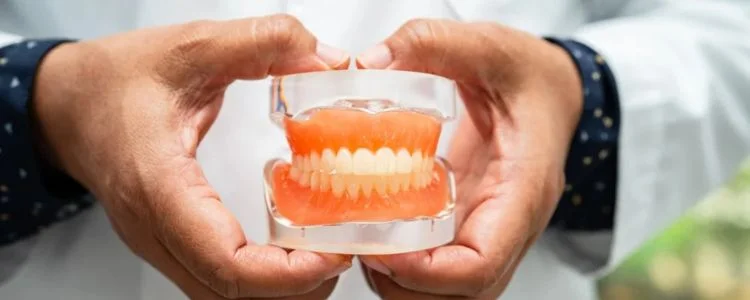
Immediate dentures allow you to leave the dental office with teeth on the same day as your extractions, maintaining function and appearance during healing. Dr. Jeremy Chan from Tempe Dentistry, who earned his Doctor of Dental Surgery from the Arthur A. Dugoni School of Dentistry at University of the Pacific and has advanced training in complex oral health conditions, emphasizes that immediate dentures provide both functional restoration and emotional reassurance during recovery.
These temporary prosthetics restore your ability to eat soft foods and speak clearly while your extraction sites heal over 8-12 weeks. Expect initial adjustment challenges including soreness, difficulty eating certain foods, and speech changes that improve as swelling subsides and tissues heal. Regular follow-up appointments allow for adjustments as your mouth changes shape during healing.
Understanding the Immediate Denture Process
Immediate dentures offer a practical solution that prevents the social and functional challenges of being without teeth after extractions. The process involves taking impressions before your extractions so dentures can be fabricated and placed immediately after tooth removal.
The primary benefit you’ll experience is the immediate restoration of basic functions like eating and speaking. Without immediate dentures, you’d face weeks of difficulty with these essential activities while your mouth heals. Even though your function won’t be perfect initially, having teeth in place makes daily life much more manageable.
Beyond the practical benefits, immediate dentures provide crucial emotional support during a vulnerable time. Tooth loss can be emotionally challenging, and immediate dentures help preserve your facial support and smile appearance. This psychological benefit often matters as much to patients as the functional restoration.
Dr. Chan’s comprehensive approach at Tempe Dentistry ensures you understand the entire process from initial consultation through final healing. His advanced training in complex oral conditions helps him manage the unique challenges that immediate dentures present during the critical healing period.
The Initial Adjustment: Comfort and Quality of Life
Your first few weeks with immediate dentures will involve significant adaptation as your mouth heals and you learn to function with your new teeth. Understanding what to expect helps you prepare mentally and practically for this transition period.
Initial discomfort is completely normal and expected with immediate dentures. Your extraction sites are healing while you’re learning to use prosthetic teeth, creating a double challenge. Most patients find the discomfort manageable with proper pain management and realistic expectations about the adjustment timeline.
Eating will be limited initially to soft foods that don’t require significant chewing force. Think soups, smoothies, mashed potatoes, and other easily managed textures. As your mouth heals and you become more comfortable with your dentures, you can gradually expand your diet under Dr. Chan’s guidance.
Speech changes are common initially as your tongue adjusts to the presence of dentures and the altered shape of your mouth. Reading aloud, practicing common words, and patient persistence help your speech return to normal more quickly. Most patients notice significant improvement within the first few weeks.
The adjustment period varies significantly between individuals, but most patients adapt well within 4-8 weeks. Your healing rate, pain tolerance, and commitment to following care instructions all influence how smoothly this transition proceeds.
Comprehensive Support: From Guidance to Care Management
Successful immediate denture treatment requires comprehensive support that extends well beyond the initial placement appointment. Tempe Dentistry provides structured guidance and responsive care throughout your entire healing journey.
Clear post-operative instructions help you manage the initial healing period effectively. You’ll receive specific guidance about pain management, what to eat, how to clean your dentures, and warning signs that require immediate attention. Following these instructions carefully prevents complications and promotes optimal healing.
Access to professional support when questions or concerns arise provides peace of mind during recovery. Whether you’re experiencing unexpected discomfort, have questions about care instructions, or need reassurance about normal healing processes, having responsive professional support reduces anxiety and ensures prompt problem resolution.
The most important support elements include:
- Detailed written instructions for immediate post-operative care
- 24-hour emergency contact information for urgent concerns
- Scheduled follow-up appointments to monitor healing progress
- Clear guidelines about when to contact the office between visits
- Patient education materials explaining normal healing versus concerning symptoms
Proactive communication about what to expect reduces surprises and helps you feel more confident managing your recovery. Understanding that some discomfort, swelling, and adjustment challenges are normal prevents unnecessary worry during the healing process.
Understanding Healing Dynamics: Tissue Remodeling After Extraction
The healing process after tooth extraction involves extensive tissue changes that directly affect how your immediate dentures fit and function. Understanding these changes helps you appreciate why multiple adjustments are necessary during recovery.
Extraction site healing occurs in predictable stages over 8-12 weeks. Initial blood clot formation gives way to soft tissue healing, followed by bone remodeling that can continue for several months. Each stage affects how your dentures fit because the supporting tissues are constantly changing shape.
Swelling reduction significantly impacts denture fit during the first few weeks. As post-surgical swelling subsides, your dentures may feel looser and require adjustment to maintain proper retention and comfort. This is completely normal and expected during the healing process.
Bone remodeling represents the most significant long-term change affecting denture fit. After tooth removal, the surrounding bone gradually reshapes itself, often resulting in some shrinkage of the ridge that supports your dentures. This process continues for months and explains why immediate dentures are considered temporary prosthetics.
Dr. Chan monitors these tissue changes carefully through regular follow-up appointments and makes necessary adjustments to maintain your comfort and denture function throughout the healing period.
Navigating Treatment Phases: Timely Adjustments and Personalization
Immediate denture success depends on proactive management of the healing process through timely adjustments and personalized care. Each patient heals differently, requiring individualized attention to achieve optimal outcomes.
Scheduled adjustment appointments allow Dr. Chan to modify your dentures as your mouth heals and changes shape. These appointments are planned strategically based on expected healing milestones rather than waiting for problems to develop. Proactive adjustments prevent many common comfort and function issues.
Personalized healing timelines acknowledge that recovery varies significantly between individuals. Factors like age, overall health, number of extractions, and individual healing capacity all influence your specific recovery pattern. Dr. Chan adjusts expectations and treatment plans based on your individual progress rather than applying generic timelines.
Flexible treatment protocols accommodate unexpected healing variations or complications that might arise. While most patients follow predictable healing patterns, some experience unique challenges that require modified approaches. Having adaptable treatment plans ensures optimal care regardless of how your specific healing unfolds.
The goal is maintaining the best possible function and comfort throughout your entire healing journey while preparing you for the transition to permanent dentures when appropriate.
Criteria for Permanent Dentures: Assessing Readiness and Comfort
Transitioning from immediate to permanent dentures requires careful assessment of tissue healing and your individual comfort level. This decision significantly impacts your long-term satisfaction and denture success.
Complete tissue healing represents the primary criterion for permanent denture fabrication. Dr. Chan evaluates extraction site healing, tissue firmness, and stability of the supporting bone ridge before recommending permanent dentures. Rushing this transition can result in poorly fitting permanent dentures that require early replacement.
Patient comfort and satisfaction with immediate dentures also influence timing for permanent replacements. If you’re comfortable with your immediate dentures and they’re functioning well after adjustments, the transition timing can be optimized for your convenience rather than rushed for arbitrary reasons.
Functional assessment examines how well you’re able to eat, speak, and manage daily activities with your current dentures. Significant improvements in these areas often indicate that tissues have stabilized enough to support well-fitting permanent dentures.
Individual factors like healing rate, lifestyle needs, and personal preferences all contribute to the optimal timing for permanent denture fabrication. Dr. Chan works with each patient to determine the best timing based on their unique circumstances and goals.
Resource-Rich Recovery: Accessible Expertise and Encouragement
Comprehensive recovery support extends beyond clinical care to include educational resources and emotional support that help you succeed with immediate dentures. These additional resources significantly impact your overall experience and satisfaction.
Educational materials help you understand what’s happening during healing and how to optimize your recovery. Written guides, instructional videos, and detailed explanations of normal healing versus concerning symptoms empower you to participate actively in your recovery process.
Peer support through connection with other denture patients can provide valuable perspective and encouragement. Hearing success stories from others who’ve navigated similar challenges helps normalize your experience and provides practical tips for managing common difficulties.
Professional accessibility ensures you can get expert guidance when questions arise between appointments. Whether through phone consultations, email communication, or emergency availability, having access to professional expertise reduces anxiety and prevents small problems from becoming larger issues.
The combination of clinical expertise, educational resources, and emotional support creates an environment where patients feel confident and well-prepared to succeed with their immediate dentures.
Preventive Strategies: Educating for Lifelong Oral Health
Long-term success with dentures requires developing proper care habits and understanding how to maintain oral health with prosthetic teeth. Patient education forms the foundation of preventive care that extends denture life and maintains oral health.
Proper denture care techniques prevent damage and extend the life of your prosthetics. Learning correct cleaning methods, storage procedures, and handling techniques protects your investment and maintains hygiene. These skills become increasingly important as you transition to permanent dentures.
Oral tissue care remains important even with complete dentures because healthy gums and supporting tissues ensure better denture fit and comfort. Regular cleaning of your mouth, massage of gum tissues, and attention to any irritation or sore spots maintain the health of tissues supporting your dentures.
The most effective preventive strategies include:
- Daily denture cleaning with appropriate products and techniques
- Proper storage in denture solution when not wearing them
- Regular oral tissue examination for signs of irritation or infection
- Scheduled professional cleanings and denture evaluations
- Lifestyle modifications that support oral and overall health
Dietary considerations affect both denture longevity and oral health. Understanding which foods to avoid or consume carefully protects your dentures from damage while ensuring you maintain proper nutrition during the adjustment period.
Taking Control of Your Immediate Denture Success
Immediate dentures represent a significant step in restoring your oral health and quality of life after tooth loss. Success depends on realistic expectations, commitment to proper care, and active participation in your recovery process.
The journey involves temporary challenges that lead to long-term benefits when properly managed. Initial adjustment difficulties, eating limitations, and speech changes are normal parts of the process that improve significantly as healing progresses and you adapt to your dentures.
Dr. Jeremy Chan’s expertise in complex oral health conditions and comprehensive approach to patient care at Tempe Dentistry ensures you receive the support needed for successful immediate denture treatment. His advanced training and commitment to individualized care help navigate the unique challenges of immediate denture placement and healing.
If you’re facing tooth extractions and considering immediate dentures, understanding the process helps you prepare for success. Schedule a consultation to discuss how immediate dentures can help you maintain function and confidence during healing while preparing for your long-term dental health goals.
Frequently Asked Questions
How long does it take to adjust to immediate dentures?
Most patients adapt to immediate dentures within 4-8 weeks, though individual experiences vary. The first few days involve the most significant adjustment challenges, with gradual improvement as swelling reduces and healing progresses. Consistent wear and following care instructions accelerate the adaptation process.
Are immediate dentures comfortable?
Immediate dentures provide reasonable comfort considering they’re placed immediately after tooth extractions. Initial discomfort from healing extraction sites and denture adjustment is normal and manageable with proper pain management. Comfort improves significantly as healing progresses and adjustments are made.
Can I eat normally with immediate dentures?
Initially, you’ll need to stick to soft foods while your mouth heals and you adjust to your dentures. Gradually reintroducing firmer foods as comfort improves allows most patients to return to near-normal eating within a few months, though some permanent dietary modifications may be necessary.
When can I get permanent dentures after immediate ones?
The transition to permanent dentures typically occurs 8-12 weeks after extractions, once tissues have healed and stabilized. Dr. Chan evaluates your individual healing progress to determine the optimal timing for permanent denture fabrication based on tissue health and stability.
What makes Tempe Dentistry different for immediate denture treatment?
Tempe Dentistry combines Dr. Chan’s advanced training in complex oral conditions with comprehensive patient support throughout the healing process. His expertise from the Arthur A. Dugoni School of Dentistry and specialized training in jaw disorders ensures optimal management of immediate denture challenges and successful outcomes.
Tempe Dentistry
480-897-2274
4427 S Rural Road, Suite 2
Tempe, AZ 85282
https://tempe.dental/