



The staff provided excellent care, were nice to talk to and made a very comfortable visit. They were able to provide fillings to several chipped teeth with short notice while visiting Phoenix from out of country. Both myself and my dentist back home agreed the quality of the fillings were well done, and the colour was a great match. Highly recommend for the great staff and professional work done.
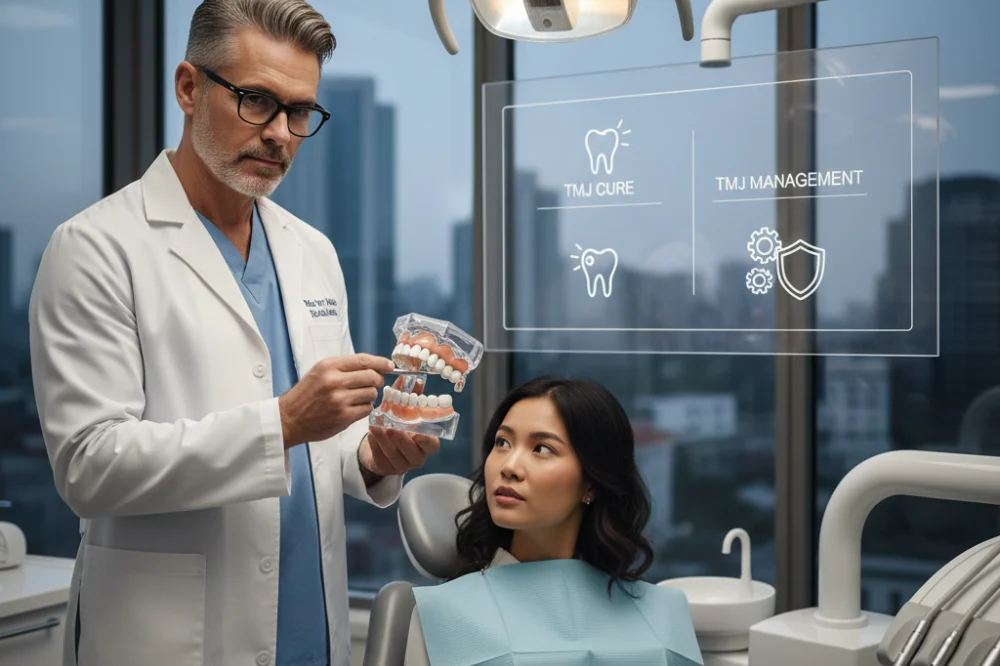
If you are dealing with jaw pain, clicking, or headaches, it is normal to ask whether TMJ is actually curable. Many patients worry they will have to live with discomfort forever. The truth is more hopeful, but it depends on what is causing the problem and how early it is addressed.
At Tempe Dentistry, Dr. Jeremy Chan brings both clinical experience and advanced training to TMJ care. He earned his Doctor of Dental Surgery degree from the Arthur A. Dugoni School of Dentistry and completed his residency at El Rio Community Health Center in Tucson. Dr. Chan has pursued focused education in TMJ disorders and dental sleep medicine, allowing him to evaluate jaw pain with a deeper understanding of joint mechanics, muscle function, and bite stability.
What People Mean When They Ask If TMJ Is Curable
When most people ask if TMJ is curable, they are really asking if the pain will stop and stay gone. They want to know if treatment can fix the problem instead of just masking symptoms. This is an important distinction.
TMJ disorder is not a single disease. It is a group of conditions that affect the jaw joint and surrounding muscles. Some causes are temporary and reversible, while others require ongoing management. Understanding which type you have makes all the difference.
When TMJ Can Be Fully Resolved
In many cases, TMJ symptoms can be fully resolved. If the problem is caused by muscle tension, clenching, or a temporary bite issue, treatment can often correct the underlying cause. Once the joint and muscles return to a healthy state, symptoms may not come back.
Early intervention plays a big role here. Addressing jaw strain before it becomes chronic allows the joint to heal more predictably. Patients who seek care early often experience long lasting relief rather than ongoing flare ups.
When TMJ Needs Long Term Management
Some forms of TMJ disorder are not considered fully curable, but they are very manageable. Arthritis in the joint, structural changes, or long standing damage may mean the joint needs ongoing support. This does not mean patients are stuck in pain.
With the right plan, symptoms can be controlled and quality of life restored. Long term management focuses on protecting the joint, reducing inflammation, and preventing future strain. Many patients live comfortably with minimal symptoms once the right approach is in place.
Factors That Affect Whether TMJ Can Be Cured
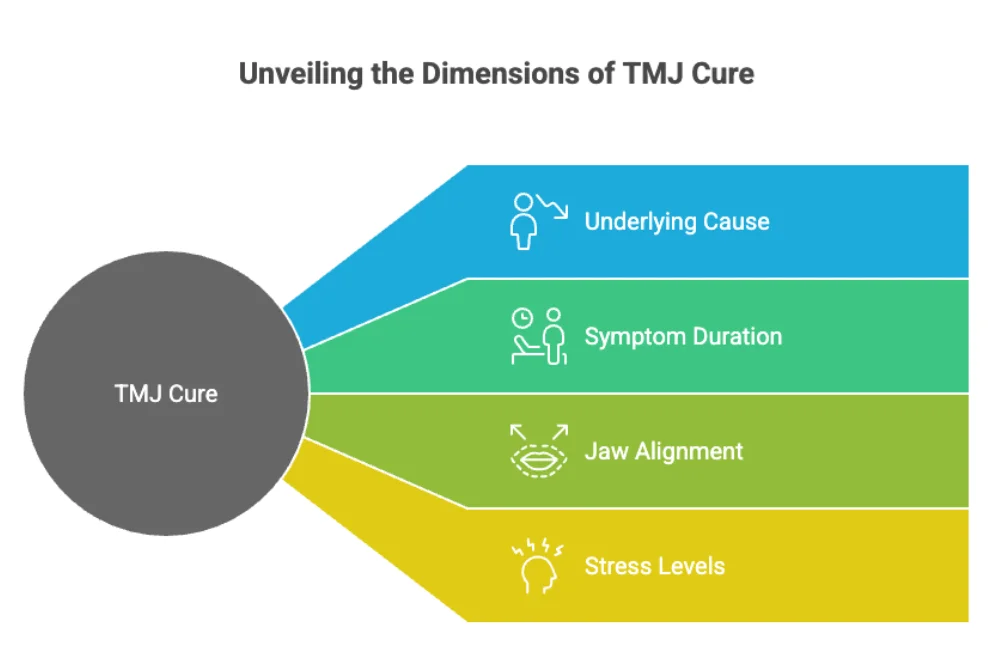
TMJ outcomes depend on several key factors. No two cases are exactly alike, which is why personalized evaluation matters so much.
Important factors include:
- The underlying cause of the TMJ disorder
- How long symptoms have been present
- Jaw alignment and bite stability
- Stress levels and clenching habits
When these factors are addressed together, outcomes are far more predictable and successful.
How TMJ Treatment Works Over Time
TMJ treatment is usually a process, not a single appointment. Early stages often focus on calming the joint and relaxing overworked muscles. This helps reduce pain and inflammation so healing can begin.
As symptoms improve, treatment shifts toward stabilization. This may involve maintaining proper jaw position, correcting bite issues, and reinforcing healthy habits. The goal is not just relief, but long term comfort and function.
TMJ Cure Versus TMJ Management Compared
Understanding the difference between curing TMJ and managing it long term helps set realistic expectations. Both paths can lead to significant improvement when handled correctly.
| Outcome Type | Primary Goal | Typical Approach | Long Term Expectation |
| TMJ Cure | Eliminate the cause | Muscle relaxation and bite correction | Symptoms do not return |
| TMJ Management | Control joint stress | Ongoing support and protection | Symptoms stay minimal |
Knowing which path applies helps patients feel more confident moving forward.
Why Early Evaluation Improves Outcomes
The longer TMJ disorder goes untreated, the more complex it can become. Muscle compensation, inflammation, and joint stress can build quietly over time. Early evaluation helps prevent these patterns from becoming long term problems.
Patients from nearby areas like South Tempe, The Lakes, and McClintock often come in wishing they had addressed symptoms sooner. Early care usually means more treatment options, faster relief, and better long term comfort.
Taking the Next Step Toward Relief
Living with jaw pain can feel exhausting, especially when the cause is unclear. Dr. Jeremy Chan serves as a guide for patients across Tempe who want clear answers instead of guesswork. His experience treating TMJ disorder helps patients understand what is happening and why it matters.
Whether you live near Downtown Tempe, South Tempe, or The Lakes, the goal is the same, to restore comfort and confidence. Scheduling a consultation at Tempe Dentistry is the first step toward clarity, personalized care, and lasting jaw relief.
Frequently Asked Questions
Is TMJ always permanent?
This question matters because many people fear lifelong pain. Knowing the truth reduces anxiety and helps people take action.
What people should be asking instead is what type of TMJ disorder they have.
TMJ is not always permanent. Many cases resolve with proper treatment. Others require management rather than a cure. A professional evaluation determines which applies.
Sources: https://www.mouthhealthy.org/all-topics-a-z/tmj
Can TMJ come back after treatment?
People worry about relapse after investing in care. This concern is valid.
A better question is how to prevent TMJ symptoms from returning.
TMJ can return if underlying habits or stressors are not addressed. Proper treatment includes prevention strategies. These reduce the risk of future flare ups.
Sources: https://www.nidcr.nih.gov/health-info/tmj
Does everyone with TMJ need lifelong treatment?
This matters because patients want to know what commitment to expect.
A better question is whether their specific cause is reversible.
Not everyone needs lifelong treatment. Many patients improve fully. Others benefit from periodic care. The plan depends on diagnosis and response to treatment.
Sources: https://www.mayoclinic.org
How do I know if my TMJ can be cured?
Uncertainty often delays care. Clear diagnosis builds confidence.
A better question is what evaluation is needed to determine prognosis.
Dentists assess jaw movement, bite alignment, muscle health, and imaging when needed. This information guides realistic expectations. Early evaluation improves outcomes.Sources: https://www.nidcr.nih.gov