



The staff provided excellent care, were nice to talk to and made a very comfortable visit. They were able to provide fillings to several chipped teeth with short notice while visiting Phoenix from out of country. Both myself and my dentist back home agreed the quality of the fillings were well done, and the colour was a great match. Highly recommend for the great staff and professional work done.
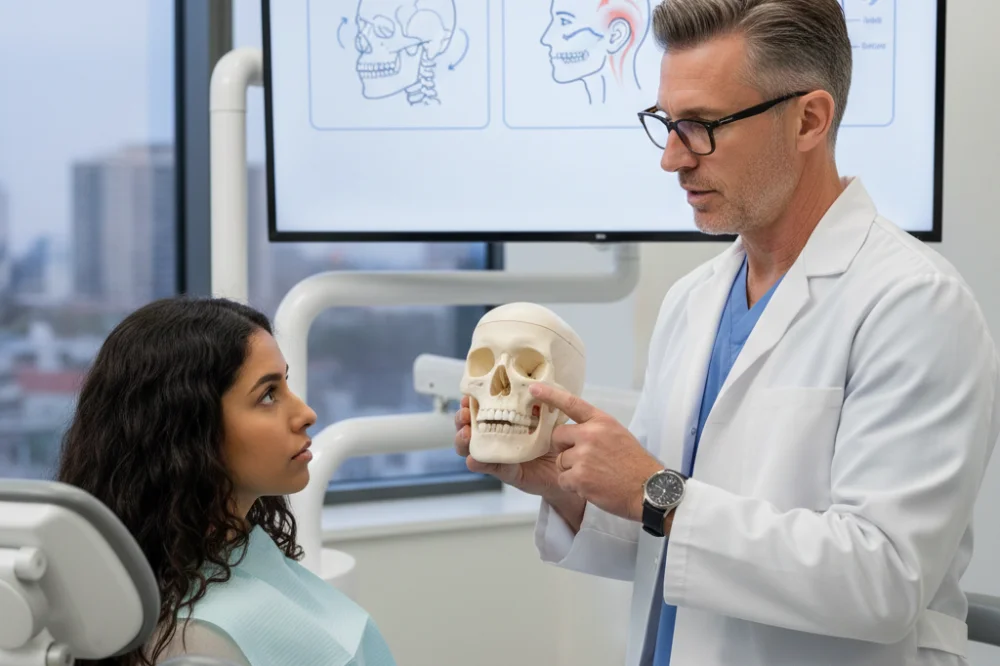
Jaw pain, clicking sounds, headaches, and difficulty chewing are common signs of TMJ disorder. TMJ disorder affects the joint that connects your jaw to your skull, and when it is not working properly, even simple things like eating or talking can feel uncomfortable. Many people live with these symptoms for months before realizing the jaw joint may be the real issue.
At Tempe Dentistry, patients often come in feeling confused and frustrated by jaw pain that does not seem to have a clear cause. Dr. Jeremy Chan takes time to explain what TMJ disorder is, why it happens, and what can actually help. His approach follows American Dental Association guidelines and focuses on understanding the root cause instead of chasing symptoms.
TMJ Disorder Explained in Plain Language
The temporomandibular joint, often called the TMJ, works like a small sliding hinge. It allows your jaw to open, close, and move side to side so you can chew, speak, and yawn comfortably. This joint works together with muscles, ligaments, and your bite to keep everything moving smoothly.
TMJ disorder occurs when this system is strained or disrupted. Sometimes the joint itself becomes irritated. Other times, the muscles around it are overworked or tight. When the balance is off, the jaw can start to click, feel sore, or move unevenly, which leads to pain and stiffness.
Signs That TMJ Disorder Might Be the Real Problem
TMJ symptoms are often misleading because they do not always feel like jaw pain. Many people think they have an ear issue, sinus pressure, or frequent tension headaches. These symptoms can make it hard to connect the problem back to the jaw.
Common signs include pain near the ears, clicking or popping when opening the mouth, and stiffness when waking up. Some people also notice their jaw feels tired after talking or chewing. Paying attention to these patterns helps identify TMJ disorder earlier.
What Causes TMJ Disorder to Develop
TMJ disorder rarely comes from one single cause. In most cases, it develops from a mix of habits, stress, and jaw alignment issues that build up over time. This is why two people with similar symptoms may need very different care plans.
Teeth grinding, jaw clenching, and bite imbalance are common contributors. Past injuries, arthritis, or changes in jaw position can also affect how the joint moves. Identifying these causes is essential before starting treatment.
Everyday Habits That Can Trigger TMJ Problems
Many TMJ issues start quietly through daily habits people do not even notice. These habits place repeated stress on the jaw joint and surrounding muscles. Over time, that stress can lead to inflammation and pain.
Common triggers include:
- Clenching or grinding teeth during sleep or stressful moments
- Bite misalignment that forces the jaw out of position
- Excessive gum chewing or nail biting
- Previous jaw or facial injuries
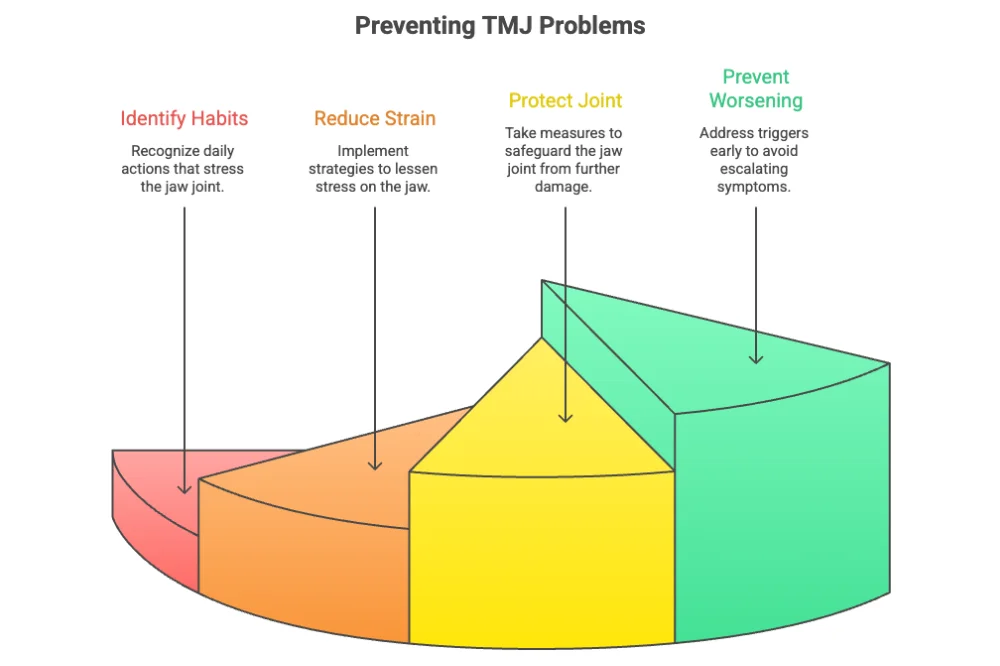
Recognizing these habits allows treatment to focus on reducing strain and protecting the joint. Addressing triggers early often prevents symptoms from getting worse.
How TMJ Disorder Can Affect Daily Life
Jaw pain does not stay limited to the jaw. TMJ disorder can interfere with eating, speaking, sleeping, and concentrating during the day. Many patients describe feeling worn down by constant discomfort.
TMJ disorder is also linked to neck tension, shoulder pain, and frequent headaches. When the jaw is treated properly, these related symptoms often improve as well. This is why a full jaw evaluation matters.
TMJ Disorder and Sleep Related Issues
Jaw position plays an important role in breathing during sleep. In some patients, TMJ disorder overlaps with airway or sleep related problems. Poor jaw alignment can increase muscle strain overnight.
Dr. Jeremy Chan is certified in the Vivos method, which allows him to evaluate TMJ disorder alongside sleep related breathing concerns. This approach is especially helpful for patients who wake up with jaw pain, headaches, or facial soreness.
TMJ Disorder Compared to Other Causes of Jaw Pain
Not all jaw pain comes from TMJ disorder. Muscle strain, dental infections, or bite issues can create very similar symptoms. Because the discomfort overlaps, it is easy to assume the wrong cause without a proper evaluation.
A careful exam helps determine what is really going on. The comparison below shows how TMJ disorder differs from other common sources of jaw pain.
| Condition | Primary Cause | Common Symptoms | Treatment Focus |
| TMJ Disorder | Joint or muscle dysfunction | Clicking, jaw pain, headaches | Jaw alignment and muscle balance |
| Muscle Strain | Overuse or tension | Facial soreness, tight muscles | Muscle relaxation and habit changes |
| Dental Infection | Tooth decay or abscess | Localized tooth pain | Dental treatment and infection care |
Correct diagnosis ensures treatment addresses the true source of pain instead of guessing.
How TMJ Disorder Is Evaluated at Tempe Dentistry
A TMJ evaluation starts with listening. Dr. Chan reviews symptoms, habits, stress factors, and health history. Jaw movement and bite alignment are carefully examined to look for patterns.
Imaging may be recommended when needed to better understand joint structure. Patients receive clear explanations so they know what is happening and why certain treatments are recommended.
Treatment Options for TMJ Disorder
TMJ treatment is never one size fits all. Many patients improve with conservative care designed to reduce joint strain and relax overworked muscles. The goal is steady improvement, not quick fixes.
Treatment options may include:
- Custom oral appliances to support proper jaw position
- Bite adjustments or orthodontic guidance when needed
- Muscle relaxation strategies and habit awareness
These treatments work together to restore balance in the jaw system. Patients often notice gradual relief as the joint heals.
Why Early TMJ Care Makes a Difference
Waiting too long can allow inflammation and muscle tension to become chronic. Early care helps prevent long term joint wear and daily discomfort. It also reduces the chance of recurring headaches and facial pain.
Patients from areas like South Tempe, The Lakes, and McClintock often wish they had addressed symptoms sooner. Early evaluation usually leads to simpler and more comfortable treatment options.
Taking the Next Step Toward Jaw Relief
Living with jaw pain can be exhausting, especially when the cause is unclear. Dr. Jeremy Chan and the team at Tempe Dentistry focus on helping patients understand what is happening and what can be done about it.
If jaw pain, clicking, or headaches are affecting your daily life, schedule a consultation. A clear diagnosis and personalized plan can help you feel comfortable again and protect your jaw long term.
Frequently Asked Questions
What is TMJ disorder and why does it cause pain?
This question matters because jaw pain often feels unpredictable and concerning. Knowing the cause helps reduce anxiety and confusion.
What people should be asking instead is how jaw joint function affects muscles, teeth, and comfort.
TMJ disorder occurs when the jaw joint or surrounding muscles do not move smoothly. Inflammation and muscle strain create pain and stiffness. A proper evaluation helps guide effective treatment.
Sources: https://www.mouthhealthy.org/all-topics-a-z/tmj
Can stress really cause TMJ disorder?
People ask this because stress is hard to measure, and it feels vague. Understanding the connection helps people change habits.
A better question is how stress related clenching impacts the jaw over time.
Stress often leads to clenching or grinding, especially during sleep. These habits overload jaw muscles and joints. Reducing strain and protecting the jaw can ease symptoms.
Sources: https://www.nidcr.nih.gov/health-info/tmj
Will TMJ disorder go away on its own?
Many people hope symptoms will fade without treatment. Waiting can sometimes allow the problem to worsen.
A better question is when professional care becomes important.
Mild cases may improve with habit changes and rest. Persistent pain usually benefits from targeted treatment. Early care helps prevent long term damage.
Sources: https://www.mayoclinic.org
How do I know if my jaw pain is TMJ or something else?
Uncertainty often delays care and adds frustration. A clear diagnosis brings relief.
A better question is how dentists tell TMJ disorder apart from dental pain.
Dentists evaluate jaw movement, bite alignment, and muscle tenderness. Imaging may help confirm findings. Correct diagnosis ensures proper treatment.Sources: https://www.nidcr.nih.gov