
The staff provided excellent care, were nice to talk to and made a very comfortable visit. They were able to provide fillings to several chipped teeth with short notice while visiting Phoenix from out of country. Both myself and my dentist back home agreed the quality of the fillings were well done, and the colour was a great match. Highly recommend for the great staff and professional work done.
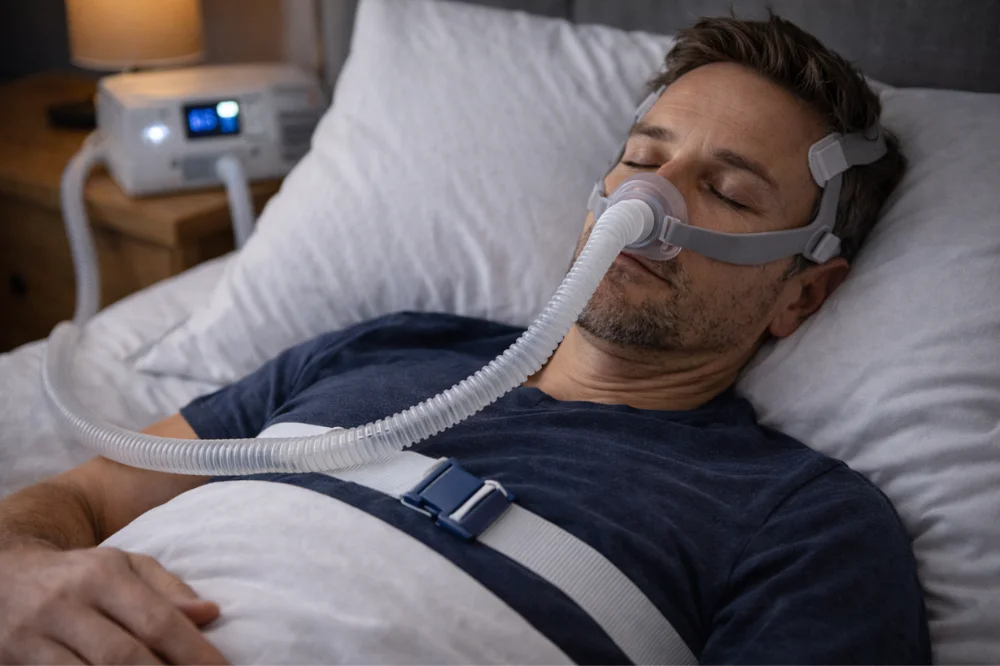
Sleep apnea symptoms in adults often show up long before a diagnosis, but many people miss the connection. If you snore loudly, wake up exhausted, or struggle with focus during the day, these may be signs of sleep apnea rather than normal stress or aging. This article breaks down the most common and subtle symptoms so you can understand your risk and know what to do next.
At Tempe Dentistry, Dr. Jeremy Chan helps patients recognize sleep-related breathing problems that affect daily health and long-term wellness. Dr. Chan earned his Doctor of Dental Surgery degree from the Arthur A. Dugoni School of Dentistry and completed his residency at El Rio Community Health Center. He has advanced training in sleep apnea and TMJ disorders and works in alignment with ADA, AADSM, and AASM guidelines to help patients identify risk and pursue proper testing.
The Core Signs of Sleep Apnea at a Glance
Most adults with sleep apnea share a similar pattern of symptoms, even if they do not notice all of them. These signs often develop gradually, which makes them easy to dismiss or explain away. Looking at the full pattern matters more than focusing on one symptom.
Sleep apnea typically shows up as loud, chronic snoring combined with breathing pauses or gasping during sleep. During the day, people often feel unusually tired, foggy, or irritable despite spending enough time in bed. When these symptoms occur together, sleep apnea should be considered.
The following signs are commonly reported by adults later diagnosed with sleep apnea. Reading through them and noting which apply to you can help guide a productive conversation with a healthcare provider.
- Loud, ongoing snoring that disrupts others
- Breathing pauses witnessed by a partner
- Gasping or choking awakenings
- Excessive daytime sleepiness
- Morning headaches or dry mouth
- Trouble concentrating or memory issues
- Irritability or mood changes
If you snore loudly and have at least one daytime symptom or witnessed breathing pauses, it is worth discussing sleep apnea with a professional. Writing down which signs apply to you can be helpful during an evaluation.
Nighttime Symptoms That Often Go Unnoticed
Many of the most important sleep apnea symptoms in adults occur at night, when the person affected may not remember them. Bed partners are often the first to notice concerning breathing patterns. Their observations are valuable clinical clues.
Common nighttime signs include loud snoring interrupted by silence, followed by snorts or gasps. Some people wake suddenly feeling short of breath or panicked. Others experience restless sleep, frequent awakenings, night sweats, or repeated trips to the bathroom.
Keeping a short sleep diary for one or two weeks can reveal patterns that are easy to overlook. Recording bedtimes, awakenings, choking sensations, and bathroom trips creates useful context for a sleep evaluation.
Daytime Symptoms That Affect Work and Safety
Sleep apnea does not stay confined to the night. Poor-quality sleep impacts the brain and body throughout the day. Many adults seek care because daytime symptoms start interfering with work, relationships, or safety.
Excessive daytime sleepiness is a hallmark symptom. People may struggle to stay awake during meetings, while reading, or while watching television. Brain fog, slowed thinking, and frequent mistakes are also common.
Mood changes often accompany these symptoms. Irritability, anxiety, or depression may appear or worsen. Morning headaches, sore throat, and unrefreshing sleep are additional clues that sleep quality is compromised.
Subtle or Atypical Symptoms in Women and Older Adults
Not everyone with sleep apnea fits the classic picture of loud snoring and obvious sleepiness. Women and older adults often experience different symptom patterns. This contributes to underdiagnosis in these groups.
Women are more likely to report insomnia, fatigue, mood changes, or nighttime urination rather than loud snoring. Older adults may present with memory changes, increased falls, or resistant high blood pressure instead of sleepiness.
If poor sleep continues despite treatment for insomnia, depression, or anxiety, sleep apnea should still be considered. Persistent exhaustion is not a normal part of aging.
Health Conditions Commonly Linked to Sleep Apnea
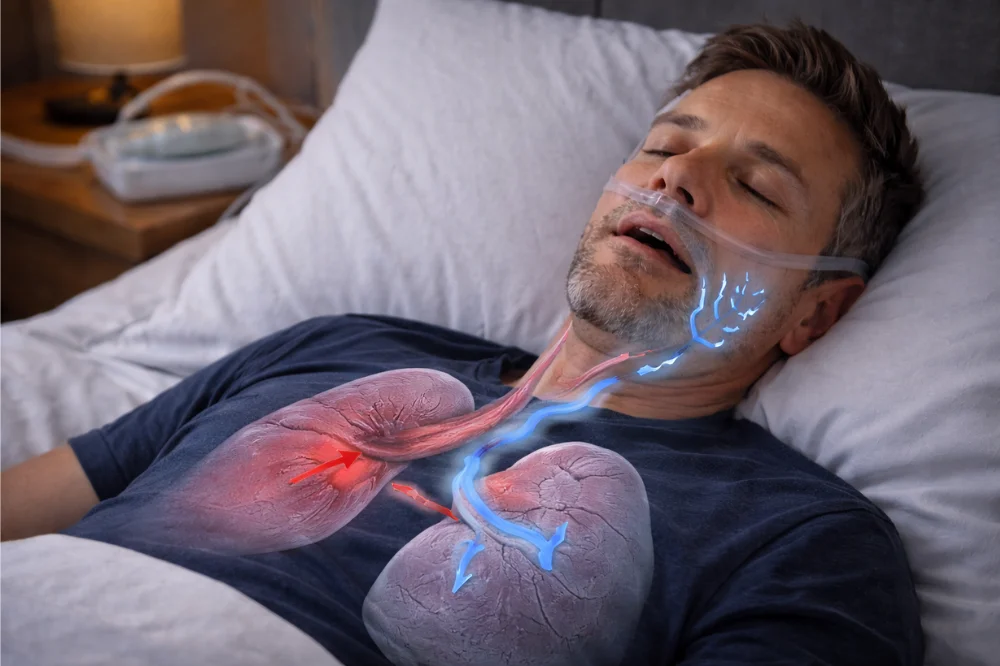
Sometimes other health problems raise suspicion for sleep apnea before sleep symptoms do. Repeated drops in oxygen during sleep place stress on the heart, blood vessels, and metabolism. Over time, this increases disease risk.
The table below highlights medical conditions frequently associated with sleep apnea and why they matter. These connections help explain why early evaluation is important.
| Health Condition | Why It Matters | Connection to Sleep Apnea |
| High blood pressure | Difficult to control with medication | Repeated oxygen drops increase vascular stress |
| Atrial fibrillation | Irregular heart rhythm | Sleep apnea worsens arrhythmias |
| Type 2 diabetes | Blood sugar instability | Poor sleep affects glucose regulation |
| Stroke or heart disease | Increased cardiovascular risk | Untreated apnea strains the heart |
If you have one or more of these conditions along with snoring or fatigue, asking about sleep apnea is appropriate. Treating sleep apnea may support better overall health management.
Self-Check: Understanding Your Risk
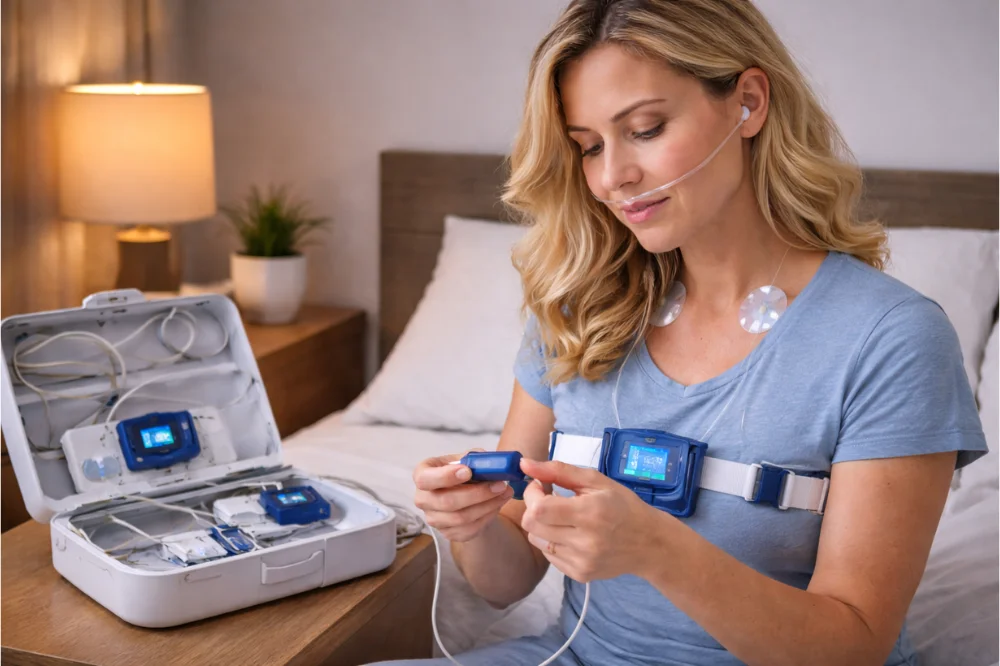
You cannot diagnose sleep apnea at home, but symptom-based screening can estimate risk. Tools like STOP-Bang and the Epworth Sleepiness Scale help clinicians decide who should be tested.
These tools focus on snoring, tiredness, observed breathing pauses, blood pressure, age, neck size, and daytime sleepiness. Answering similar questions honestly provides useful insight.
If you answer yes to several risk questions or struggle with daytime sleepiness, bring this information to your provider. A sleep study is the only way to confirm a diagnosis.
When Sleep Apnea Symptoms Are Urgent
Some sleep apnea symptoms require prompt attention. Severe daytime sleepiness increases accident risk and should not be ignored. Falling asleep while driving or during conversations is dangerous.
Chest pain, irregular heartbeat at night, or severe shortness of breath warrant urgent medical evaluation. Snoring combined with long breathing pauses and choking awakenings is not normal. If symptoms feel unsafe or suddenly worsen, seek medical care right away. Earlier evaluation reduces risk and improves outcomes.
What to Do If You Recognize These Symptoms
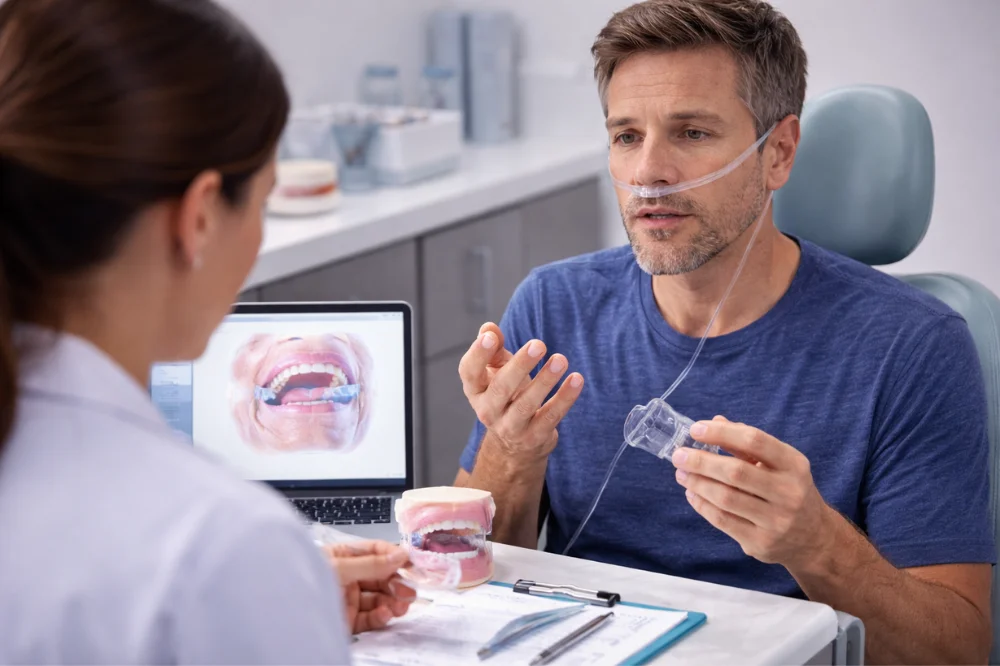
Recognizing sleep apnea symptoms in adults is the first step toward better sleep and health. Dr. Jeremy Chan serves as a guide for patients who want clarity rather than guesswork. His experience allows him to identify when sleep testing is appropriate and explain available options.
Whether you live near Downtown Tempe, South Tempe, or The Lakes, the next step is the same. Schedule an evaluation, share your symptoms and observations, and ask whether a home or lab sleep study is appropriate. Early action can improve sleep quality and reduce long-term health risks.
Frequently Asked Questions
How do I know if my symptoms are sleep apnea or just poor sleep?
This question matters because many adults normalize exhaustion and snoring. A better question is whether multiple nighttime and daytime symptoms occur together. When loud snoring, breathing pauses, and daytime sleepiness overlap, sleep apnea becomes more likely and deserves evaluation.
Can sleep apnea symptoms appear without loud snoring?
This matters because many people assume snoring is required. A better question is how sleep apnea presents in different groups. Women and older adults often report fatigue, insomnia, mood changes, or nocturia instead of classic snoring.
Should I see a dentist or a physician about sleep apnea symptoms?
This matters because sleep apnea involves both medical and dental factors. A better question is who is trained to screen and guide next steps. Dentists trained in sleep apnea can identify risk and coordinate sleep testing with medical providers.
What is the first step if I think I have sleep apnea?
This matters because delay increases health risk. A better question is how to start efficiently. Document symptoms, include partner observations, and schedule an evaluation to discuss sleep testing options.