
The staff provided excellent care, were nice to talk to and made a very comfortable visit. They were able to provide fillings to several chipped teeth with short notice while visiting Phoenix from out of country. Both myself and my dentist back home agreed the quality of the fillings were well done, and the colour was a great match. Highly recommend for the great staff and professional work done.
Sleep Apnea Treatment in Tempe, AZ
Sleep apnea treatment focuses on stopping breathing interruptions during sleep that cause loud snoring, poor rest, and long-term health risks. Many Tempe patients either struggle with CPAP or want to know if effective alternatives exist, such as custom oral appliances. At Tempe Dentistry, care is centered on helping patients understand testing options, diagnosis pathways, and treatment choices before committing to therapy.
In Tempe and nearby areas like McClintock, Rural-Geneva, and South Tempe, ongoing fatigue, morning headaches, and brain fog are common signs of untreated sleep apnea. Dr. Jeremy Chan is a certified Vivos provider and has advanced training through the American Sleep and Breathing Academy. He works closely with local sleep physicians and centers to coordinate evidence-based care, including CPAP alternatives such as oral appliance therapy, with treatment plans focused on comfort, adherence, and measurable improvement over time.
What Is Sleep Apnea and How Do You Know If You Have It?
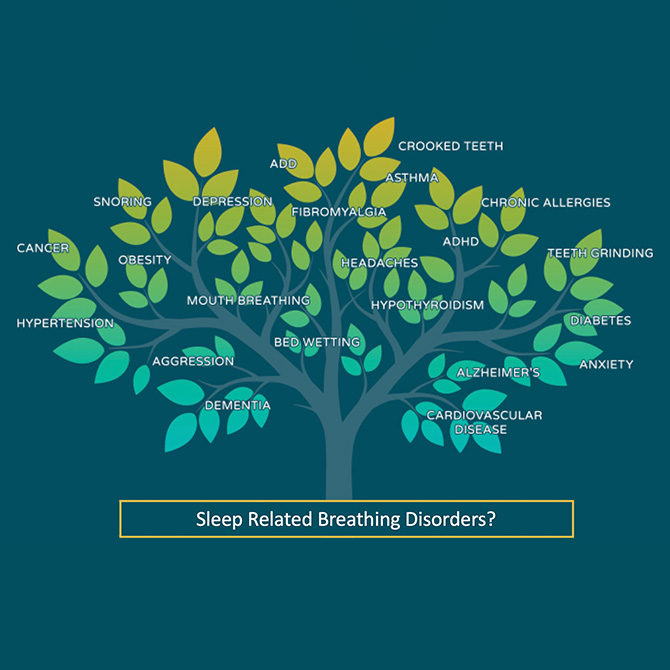
Sleep apnea is a condition where breathing repeatedly slows or stops during sleep, most often because the airway collapses or becomes blocked. This is called obstructive sleep apnea and it disrupts oxygen levels and sleep quality throughout the night. Over time, untreated sleep apnea increases the risk of heart disease, stroke, diabetes, and accidents caused by daytime sleepiness.
Common signs include loud, chronic snoring, pauses in breathing noticed by a bed partner, gasping or choking at night, morning headaches, dry mouth, brain fog, irritability, and ongoing fatigue even after a full night in bed. Sleep apnea affects people of all ages and body types, and many Tempe patients are surprised to learn their symptoms are connected. Because similar complaints can come from other conditions, a proper evaluation and sleep study are the only way to confirm whether sleep apnea is present and determine the right next step.
Types of Sleep Apnea Providers in Tempe, AZ

This oral appliance is for sleep apnea and snoring. The Vivos DNA appliance is a special epigenetic orthodontic therapy designed to treat sleep apnea.
Sleep apnea care often involves more than one type of provider, and understanding each role helps patients move through treatment more efficiently. Different specialists handle different parts of diagnosis and care, and outcomes are best when they work together.
- Sleep centers and sleep physicians diagnose sleep apnea through home or lab sleep studies, interpret results, and manage medical treatments like CPAP.
- Dental sleep providers deliver non-CPAP treatments such as custom oral appliances, working under a physician’s diagnosis and prescription to improve airway stability during sleep.
- ENTs and medical specialists address structural or medical contributors, such as nasal obstruction or enlarged tissues, when indicated.
Most Tempe patients benefit from coordinated care rather than choosing just one provider type. At Tempe Dentistry, Dr. Chan works closely with local sleep physicians and centers to coordinate testing, share findings, and adjust therapy over time, so treatment stays clear, connected, and effective.
How Sleep Apnea Is Diagnosed in Tempe
A sleep study is the only way to confirm sleep apnea and determine its severity. Diagnosis is typically done through either an in-lab sleep study or a home sleep apnea test, depending on symptoms, medical history, and insurance guidelines. Many patients qualify for home testing, which allows you to sleep in your own bed while a physician-reviewed device tracks breathing, oxygen levels, and sleep patterns. Mild, moderate, and severe sleep apnea are treated differently, which is why testing comes first.
At Tempe Dentistry, Dr. Chan helps coordinate testing with local sleep physicians and centers and reviews existing sleep study results when patients already have them. Once a diagnosis is confirmed, the sleep physician determines severity and prescribes appropriate therapy. Those results are then used to guide treatment choices, including CPAP, oral appliance therapy, or a combined approach, with follow-up testing used to measure improvement over time.
Treatment Options for Sleep Apnea, Including CPAP Alternatives
Sleep apnea treatment is tailored to the individual, based on severity, anatomy, and tolerance for therapy, with both CPAP and non-CPAP options available.
- CPAP therapy delivers continuous air pressure to keep the airway open and is commonly prescribed for moderate to severe sleep apnea.
- Oral appliance therapy uses a custom dental device to reposition the jaw and tongue forward, helping maintain an open airway during sleep for many mild to moderate cases.
- Vivos therapy is an advanced oral appliance approach focused on airway development and stabilization, provided by Dr. Chan for appropriate non-CPAP candidates.
- Quiet Night Laser is a noninvasive laser treatment that tightens and strengthens airway tissues to reduce snoring and mild airway collapse during sleep. It improves airway tone without requiring a device to be worn at night.
- Combination therapy pairs an oral appliance with CPAP to lower pressure requirements and improve comfort and long-term use.
- Lifestyle and supportive strategies such as positional therapy, weight management, and limiting alcohol before bed can improve outcomes when used alongside primary treatment.
Treatment effectiveness is confirmed through symptom improvement and follow-up sleep testing, ensuring therapy is both comfortable and clinically effective. Oral appliances are a hassle-free alternative to a traditional CPAP. In 2015, the American Academy of Sleep Medicine issued an updated recommendation for the use of oral appliances if you wish to use this affordable, user-friendly option or have tried a CPAP and were unable to use it for one reason or another.
Non-CPAP Sleep Apnea Care Focused on Oral Appliances
Many people stop using CPAP not because it does not work, but because it does not fit their life. Non-CPAP care focuses on keeping the airway open with custom oral appliances that are quiet, portable, and easier to use consistently. These devices are designed after a confirmed diagnosis and adjusted over time to balance comfort with effectiveness.
At Tempe Dentistry, Dr. Chan provides oral appliance therapy for appropriate candidates, including advanced options like Vivos therapy that emphasize airway development and stabilization. Care is coordinated with sleep physicians, and effectiveness is verified with follow-up sleep testing rather than guesswork. This approach is especially helpful for patients who cannot tolerate CPAP or who want a clinically guided alternative that supports long-term adherence and measurable improvement.
Get Clear Answers Before You Commit
Living with loud snoring, constant fatigue, or a sleep apnea diagnosis can feel overwhelming, especially when CPAP has not worked or does not feel realistic long term. You want a treatment that actually improves your sleep, protects your health, and fits into your daily life without guesswork. The right path starts with understanding your diagnosis, knowing your options, and choosing a solution that you can use consistently.
At Tempe Dentistry, Dr. Jeremy Chan serves as a steady guide through that process. With advanced training in dental sleep medicine, certification as a Vivos provider, and collaboration with local sleep physicians, care is focused on evidence-based, non-CPAP options when appropriate. If you are dealing with sleep apnea symptoms or looking for CPAP alternatives, the next step is a focused sleep apnea consultation to review testing, discuss treatment choices, and build a plan designed for long-term success and better sleep.
Call 480-897-2274 today for an appointment at Tempe Dentistry. You can also schedule online. It’s time to start feeling and living better by treating your sleep apnea in Tempe, AZ.
Click The Image to Take Our Sleep Quiz
Tristan Avery
Tristan Avery
Christine T
Christine T
Karen Jones
Highly recommend! Thorough and gentle care. Up to date on preventive services. Office staff is super friendly! The hygienist, Margie takes her time and is very gentle! And Dr. Chan is fantastic!
Karen Jones
KiLimePie
I love Dr Chan and everyone that works there. Everyone is kind and they make going to the dentist a gentle experience!
KiLimePie
Amin291
Dr. Chan is the best dentist I’ve had by far! Exceptionally knowledgeable, caring and works to make sure you can get the care you need regardless of insurance and finances. I’ve always been wary of medical professionals as I feel they try and prolong your care for profit, but Dr. Chan genuinely seems to care. 10/10!
Amin291
Angel Flores
Very clean space and atmosphere
Extremely professional staff. Dentist took incredible time to explain the health of my teeth and have amazing recommendations on how to improve to PREVENT coming here. Love the place. 10/10 approve.
Angel Flores
Erica Pinkstaff
Everybody was very nice and honest. I had a cleaning and xrays done and they listened to my concerns, took the time to educate me and answer questions, and walked through the finaces with me. It felt like they were there to help me and not scam me. I am happy to be a patient and cant wait to come back.
Thank you to the team Desiree, Margie, Dr. Chan, and I believe Ann.
Erica Pinkstaff
Aafie Somers
I’ve been going here for a few years now. They are awesome! Easy, kind and quick. They get to the point and are upfront with options. Cool about payment plans and not pushy about getting your future work done. Margie did my cleaning today and was so sweet. Ann that works the office is an absolute GEM!
Aafie Somers
Aneas Cleveland
I can’t speak highly enough of this office. Ann is an excellent front-office presence, Desiree will joke around and share stories, and Dr. Chan is a phenomenal dentist. The warmth and care provided makes this office an easy choice for dental work. Support local, support wonderful people.
Aneas Cleveland
Teresa Vinson
Dr. Jeremy Chan has been amazing since my time with his office!
Aside from my cleanings he offers very reasonable orthodontics at his office! I have previously had braces, but my retainer broke a few years back and my teeth have shifted. Well, I just got 3-D impressions of my teeth to start the correction process again, but this time in style with clear aligners!!!!
I’m super excited because this comes at a time in my life where I am refining things, and to have a wonderful Doctor with a great team who really cares for my oral health as much as I do really helps with that process! They are all super friendly and extremely gentle when working in/on one of the most precious areas of the body! I love Dr. Chan and his team!!!
They really outshine other dentistries I have been to by far!
Teresa Vinson
I am a traveling nurse and started having excruciating mouth pain. Dr Chan and staff worked me in immediately. They took very good care of me. The professionalism and caring service they give their patients is outstanding. I highly recommend.
Common Questions About Sleep Apnea
A sleep study is the only way to diagnose sleep apnea and determine how severe it is. If you snore loudly, wake up tired, have morning headaches, brain fog, or a bed partner notices pauses in breathing, testing is appropriate. Many patients qualify for home sleep testing, while others may need an in-lab study based on medical history and symptoms.
Yes, many patients successfully manage sleep apnea without CPAP. Custom oral appliance therapy is a common alternative for mild to moderate obstructive sleep apnea and for people who cannot tolerate CPAP. Treatment choice depends on your diagnosis, airway anatomy, and comfort with long-term use, which is why evaluation and follow-up testing matter.
Vivos therapy is an advanced oral appliance approach that focuses on airway development and stabilization rather than only managing symptoms night to night. Dr. Jeremy Chan is a certified Vivos provider and evaluates whether this option is appropriate based on sleep study results, anatomy, and overall health. Not every patient is a candidate, which is why proper screening is essential.
Many patients notice improvements in snoring, energy, and sleep quality within weeks of starting therapy. Long-term success is measured through symptom relief and follow-up sleep testing that confirms breathing events and oxygen levels have improved. Adjustments are part of the process to balance comfort and effectiveness.
Sleep studies and many sleep apnea treatments are billed through medical insurance rather than dental. Coverage varies by plan, diagnosis severity, and treatment type, including CPAP and oral appliances. Our team helps review benefits and coordinates with sleep physicians so you understand coverage and costs before starting.