

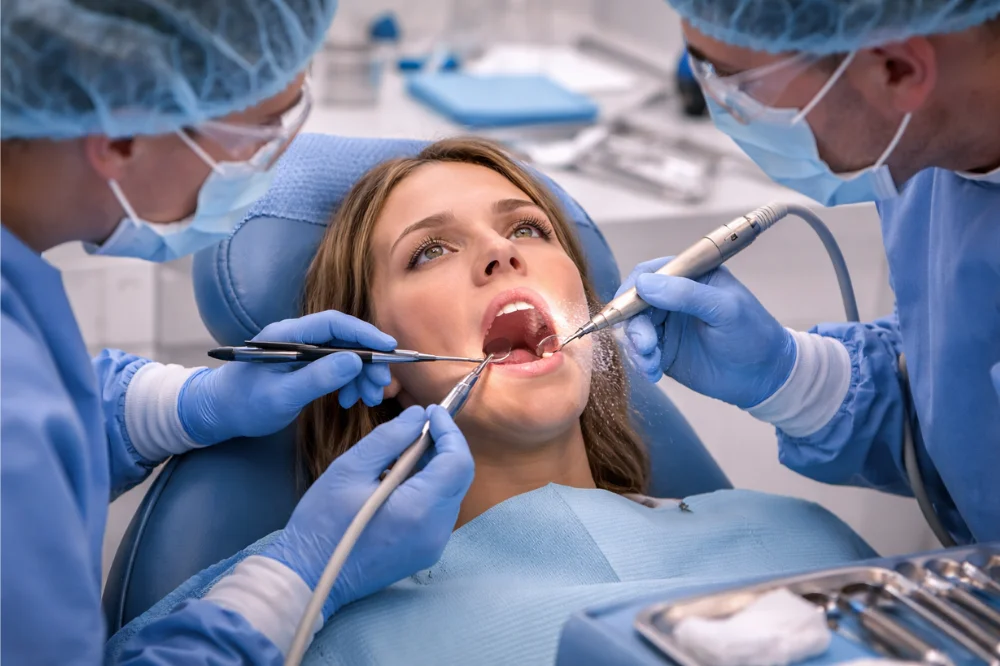
The staff provided excellent care, were nice to talk to and made a very comfortable visit. They were able to provide fillings to several chipped teeth with short notice while visiting Phoenix from out of country. Both myself and my dentist back home agreed the quality of the fillings were well done, and the colour was a great match. Highly recommend for the great staff and professional work done.
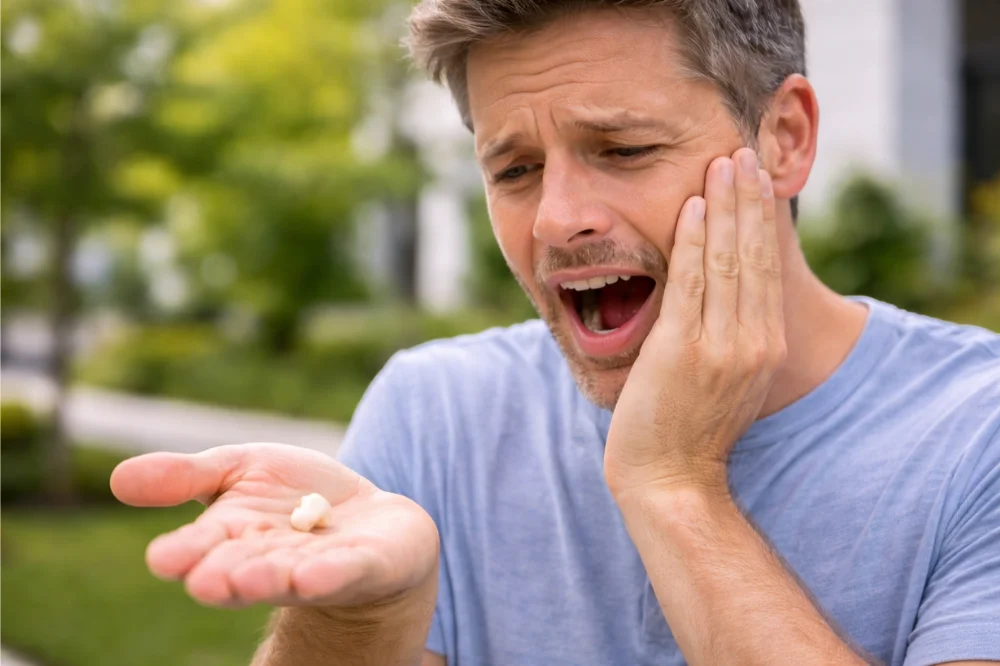
What should you do if a permanent tooth is knocked out? The answer is simple but time-sensitive: find the tooth, handle it by the crown, gently rinse it if needed, place it back in the socket if possible, keep it moist, and get to a dentist within 30 to 60 minutes. That first hour often determines whether the tooth can be saved long term.
At Tempe Dentistry, Dr. Jeremy Chan helps families across South Tempe, Tempe Gardens, and Downtown Tempe respond quickly when dental injuries happen. Dr. Chan earned his Doctor of Dental Surgery degree from the Arthur A. Dugoni School of Dentistry and completed his residency at El Rio Community Health Center. His trauma protocols follow American Dental Association guidelines, and his Arizona dental license number 10020 is publicly verifiable, reinforcing our commitment to transparent, evidence-based care.
Why a Knocked Out Tooth Is Always a Dental Emergency
When a permanent tooth comes completely out of the mouth, dentists call this an avulsed tooth. That simply means the entire tooth has separated from the socket in the jawbone. It is very different from a chipped or cracked tooth.
The reason this injury is urgent has to do with the tiny ligament cells attached to the root. These cells help anchor the tooth to the surrounding bone. If they stay alive, the tooth has a real chance to reconnect.
Once the tooth dries out, those cells begin to die quickly. Studies in dental trauma consistently show that replantation within about 30 minutes offers the highest success rate. Even up to 60 minutes can still provide a reasonable chance when the tooth has been stored properly.
Step by Step: What to Do Immediately
If a permanent tooth gets knocked out, the situation can feel chaotic. Most people panic, especially when a child is involved. The goal is simple though: protect the root and keep the tooth moist until you reach a dentist. Acting quickly and calmly can dramatically increase the chance that the tooth survives. These steps are recommended by dental trauma guidelines and emergency dentists around the world.
- Find the tooth immediately and pick it up by the crown, which is the chewing surface.
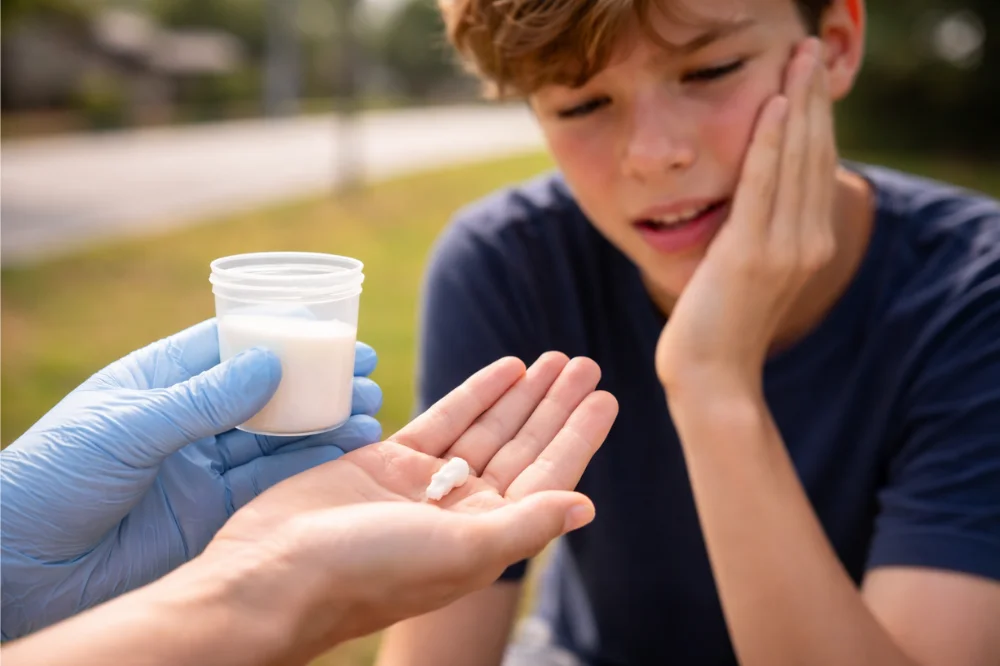
- If the tooth is dirty, rinse it gently for about 10 seconds using milk, saline, or clean water.
- If possible, gently place the tooth back into the socket and bite softly on gauze.
- If reinsertion is not possible, place the tooth in cold milk or inside the cheek if safe.
- Call Tempe Dentistry immediately and head to the office for emergency care.
These steps may feel small in the moment, but they protect the living cells on the root. Those cells determine whether the tooth can reattach successfully. The sooner the tooth returns to a moist environment, the better the long-term outcome.
What Not to Do With a Knocked Out Tooth
Many teeth are lost because of well-intentioned mistakes during the first few minutes after injury. People often try to clean the tooth aggressively or store it incorrectly. Unfortunately, those actions damage the delicate root cells needed for healing.
- Do not scrub, brush, or touch the root surface.
- Do not store the tooth in tissue or paper towel.
- Do not use soap, alcohol, or disinfectants.
- Do not replant a baby tooth.
Even short periods of dry storage can damage root cells. If you are unsure what to do next, focus on keeping the tooth moist and contacting a dentist immediately.
Permanent Tooth vs Baby Tooth
One of the most common questions parents ask is whether every knocked-out tooth should be replanted. The answer depends on whether the tooth is permanent or a baby tooth. Permanent teeth should usually be replanted quickly when possible. Baby teeth should not be replanted because doing so can harm the developing adult tooth underneath.
If a child in neighborhoods like Broadmor, Rural-Geneva, or The Lakes knocks out a tooth, try to determine the child’s age and whether permanent teeth have erupted. When you are unsure, a quick phone call to Tempe Dentistry can help guide the next step safely.
When to Go to the ER Instead of the Dentist
Most knocked-out teeth are dental emergencies rather than medical emergencies. However, some injuries involve trauma that requires hospital care first. Knowing the difference protects both oral health and overall safety. The comparison below helps families decide where to go first.
| Situation | Call Dentist First | Go to ER First |
| Permanent tooth knocked out | Yes | No |
| Baby tooth knocked out | Yes | No |
| Heavy bleeding that won’t stop | Possibly | Yes |
| Suspected jaw fracture | No | Yes |
| Breathing difficulty or unconsciousness | No | Yes |
If severe trauma or breathing problems are present, go to the emergency room immediately. Bring the tooth in milk or saline so it stays moist. Dental treatment can begin as soon as the patient is medically stable.
What Happens During Emergency Dental Treatment
When you arrive at Tempe Dentistry, the first step is evaluating the injury and determining whether the tooth can be replanted. Digital X-rays help check the socket, surrounding bone, and nearby teeth. This allows the dentist to plan the safest treatment.
If replantation is possible, the tooth is gently placed back into the socket and stabilized with a flexible splint attached to neighboring teeth. This splint usually stays in place for two to four weeks while healing occurs.
In many cases antibiotics or a tetanus booster may be recommended. Root canal treatment is also often needed later for mature teeth. Acting quickly gives the tooth the best chance of long-term survival.
Protect Your Tooth and Act Fast in Tempe
If you searched for what to do when a permanent tooth gets knocked out, you are probably dealing with a stressful moment. The good news is that quick action can save the tooth in many cases.
You are the hero in this situation because your actions in the first few minutes matter most. Pick up the tooth by the crown, rinse it gently if needed, keep it moist, and get to a dentist right away. Dr. Jeremy Chan and the Tempe Dentistry team help families across South Tempe, Hughes Acres, and nearby neighborhoods handle dental trauma with calm, step-by-step guidance.
Frequently Asked Questions
How long do I have to save a knocked out permanent tooth?
Most people ask this because they are afraid it may already be too late to save the tooth. What truly matters is not just the clock, but how long the tooth has been dry and how it has been handled. A better question to ask is, has the tooth stayed moist and can I reach a dentist within the first hour? The immediate insight is that replantation within about 30 minutes offers the highest success rate. The context is that the ligament cells on the root begin to die quickly when exposed to air. The right next step is to keep the tooth in milk or inside the socket if possible and get to Tempe Dentistry within 60 minutes.
Can I rinse the tooth with tap water?
This question usually comes up in a moment of panic when milk or saline is not available. The deeper concern is whether rinsing will damage the tooth’s root surface. A better question is, how can I gently clean debris without harming the ligament cells? The immediate insight is that a brief gentle rinse is acceptable if the tooth is dirty, but scrubbing must never occur. The context is that prolonged exposure to plain water can damage root cells and reduce reattachment success. The safest next step is to place the tooth in milk or another suitable medium and seek emergency dental care immediately.
Why should I not replant a baby tooth?
Parents ask this because they assume every tooth should be put back into place right away. What truly matters is protecting the developing permanent tooth underneath the gums. A better question is, could replanting this tooth cause long term harm to the adult tooth? The immediate insight is that baby teeth should not be replanted. The context is that primary teeth have different anatomy and replantation can damage permanent tooth development. The correct next step is to control bleeding gently and contact Tempe Dentistry for evaluation and guidance.
What if the tooth was out for more than an hour?
People ask this because they fear they have missed the critical window. The real concern is whether the tooth is still viable after extended dry time. A better question is, how was the tooth stored and can immediate treatment still improve the outcome? The immediate insight is that the prognosis becomes less predictable after about 60 minutes, especially if the tooth was dry. The context is that survival depends on both time and storage conditions. The safest next step is to keep the tooth moist and come to Tempe Dentistry immediately so we can evaluate realistic treatment options.
Related Articles
Related Posts