



The staff provided excellent care, were nice to talk to and made a very comfortable visit. They were able to provide fillings to several chipped teeth with short notice while visiting Phoenix from out of country. Both myself and my dentist back home agreed the quality of the fillings were well done, and the colour was a great match. Highly recommend for the great staff and professional work done.
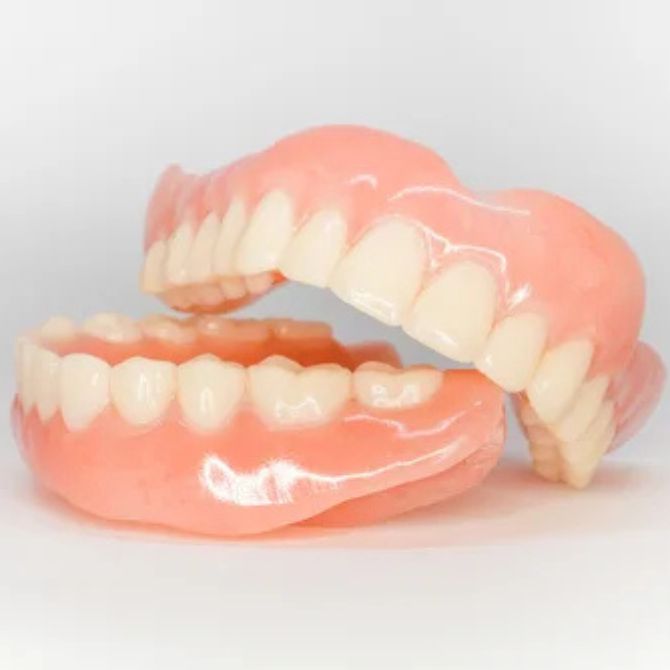
The choice between full dentures and partial dentures depends on your specific oral health situation, remaining natural teeth, and lifestyle needs. Dr. Jeremy Chan from Tempe Dentistry, who earned his Doctor of Dental Surgery from the Arthur A. Dugoni School of Dentistry at University of the Pacific and has advanced training in complex oral conditions, emphasizes that this decision affects far more than just your teeth, it impacts your confidence, eating ability, and overall quality of life.
Full dentures replace all teeth in an arch and are ideal when no natural teeth remain salvageable, while partial dentures fill gaps between existing healthy teeth. Factors to consider include the condition of remaining teeth, jawbone health, budget constraints, maintenance preferences, and aesthetic goals. The right choice preserves oral health, maintains facial support, and provides the function you need for comfortable daily living.
Understanding Your Options: Complete vs Partial Solutions
Choosing between full dentures and partial dentures requires understanding what each option offers and which situation best suits your oral health needs. This decision affects your daily function, appearance, and long-term oral health outcomes.
Full dentures replace all teeth in either the upper or lower arch when no natural teeth remain viable. These complete prosthetics rest on your gums and are held in place through suction, proper fit, and sometimes denture adhesives. They restore basic chewing function and support facial muscles.
Partial dentures fill the gaps created by missing teeth while preserving your remaining natural teeth. They typically use clasps or precision attachments to anchor to existing teeth, providing stability while preventing remaining teeth from shifting out of position.
The condition of your remaining teeth largely determines which option is appropriate. Healthy natural teeth with good bone support are valuable assets worth preserving through partial dentures. However, teeth with extensive decay, gum disease, or structural damage might be better replaced with complete dentures.
Dr. Chan’s expertise in complex oral conditions helps evaluate borderline cases where the decision between saving or extracting remaining teeth isn’t immediately obvious. His advanced training ensures you receive appropriate recommendations based on long-term oral health considerations.
Deciding on Dentures: A Choice That Extends Beyond Oral Health
The decision between full dentures and partials affects many aspects of daily life beyond just oral health. Your choice influences confidence levels, social interactions, eating experiences, and overall quality of life for years to come.
Individual dental health status serves as the primary determining factor in treatment selection. Patients with extensive tooth loss due to decay, trauma, or gum disease may find that full dentures provide the most comprehensive solution for restoring function and appearance.
Patients with isolated tooth loss from accidents or localized problems often benefit more from partial dentures that integrate seamlessly with existing healthy teeth. This approach preserves natural tooth structure while restoring missing elements.
Function and appearance considerations vary significantly between individuals based on their lifestyle and priorities. Public speakers, performers, or professionals in client-facing roles might prioritize speech clarity and natural appearance differently than others.
Preservation of natural teeth remains a fundamental principle in modern dentistry. Healthy teeth provide better chewing efficiency, maintain jawbone structure, and offer superior sensory feedback compared to prosthetic replacements. Partial dentures support this preservation approach when appropriate.
Maintenance of Dentures: Essential for Durability and Health
Proper maintenance significantly influences the lifespan, comfort, and oral health impact of both full and partial dentures. Understanding care requirements helps you choose options that fit realistically into your lifestyle and capabilities.
Full dentures require daily removal for thorough cleaning, overnight soaking, and careful handling to prevent damage. The cleaning process involves specialized brushes and solutions designed specifically for denture materials to remove bacteria and prevent staining.
Partial dentures demand more complex care because they interact with natural teeth and must be cleaned around metal clasps or attachments. This maintenance includes both denture cleaning and enhanced oral hygiene for remaining natural teeth.
The most important maintenance practices include:
- Daily removal and thorough cleaning with appropriate products
- Overnight soaking in recommended solutions for full dentures
- Careful cleaning around clasps and attachments for partials
- Regular professional maintenance and adjustment appointments
- Proper handling to prevent drops or damage during cleaning
Educational support from Tempe Dentistry ensures you understand proper care techniques specific to your chosen prosthetics. Well-informed patients typically experience fewer complications and greater satisfaction with their dental appliances.
Regular dental reviews allow for early detection of problems like ill-fitting prosthetics, tissue changes, or wear patterns that could affect comfort or function. These appointments prevent minor issues from becoming major complications.
Understanding the Costs and Coverage for Dentures
Financial considerations significantly influence denture selection, making it important to understand both immediate costs and long-term expenses associated with different options. Insurance coverage and payment options affect accessibility of various treatments.
Initial investment varies considerably between full and partial dentures based on complexity, materials, and additional procedures required. Full dentures often involve higher upfront costs due to extractions, healing time, and complete fabrication processes.
Partial dentures may cost less initially when fewer teeth need replacement, but complex cases requiring precision attachments or extensive framework can approach full denture costs. The number and location of missing teeth significantly influence pricing.
Insurance benefits typically cover both options, though coverage levels vary between plans. Most dental insurance covers 50-80% of denture costs after deductibles, making either option more accessible than paying full price out-of-pocket.
Long-term financial planning should consider maintenance, adjustments, repairs, and eventual replacement costs. Full dentures typically require relining every few years, while partials may need clasp adjustments or repairs to framework components.
Customized Consultation for Denture Fit and Lifestyle Alignment
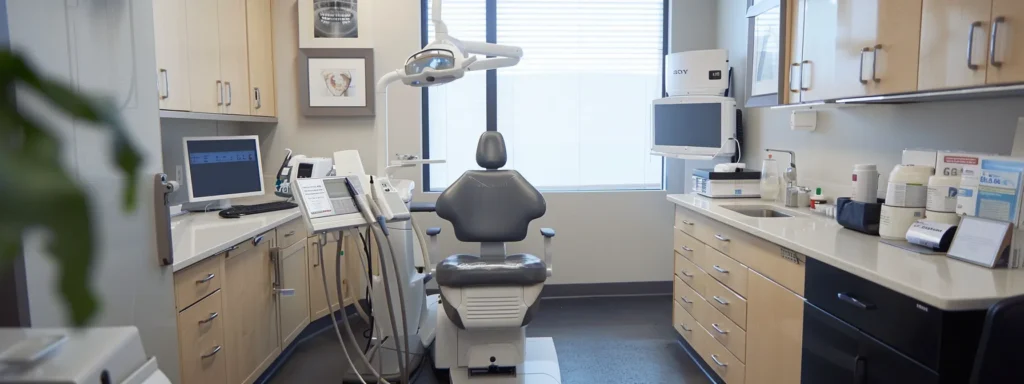
Tempe Dentistry’s consultation process ensures your denture selection aligns with both clinical needs and personal lifestyle requirements. This comprehensive approach leads to better satisfaction and long-term success with chosen treatments.
Functional evaluation examines how different options will perform for essential activities like eating, speaking, and social interactions. Speech-dependent professions might influence recommendations toward options that provide superior phonetic support and stability.
Aesthetic considerations include how prosthetics will integrate with remaining teeth, support facial features, and meet personal appearance expectations. Natural-looking results depend on proper tooth selection, color matching, and appropriate sizing for facial proportions.
Lifestyle integration assessment considers daily routines, maintenance capabilities, and personal preferences for removability versus fixed solutions. Active individuals might prioritize retention and stability, while others might value ease of cleaning and maintenance.
Collaborative decision-making ensures your priorities and concerns are addressed throughout the selection process. This partnership approach leads to treatment choices that you feel confident about and committed to maintaining properly.
Denture Selection: A Responsive and Consultative Process
Denture selection involves ongoing evaluation and potential adjustments as your oral health and life circumstances change. This dynamic approach ensures continued satisfaction and optimal function over time.
Initial selection criteria include comprehensive review of oral health status, functional requirements, and aesthetic goals. These baseline factors guide initial treatment planning but may evolve as healing progresses or circumstances change.
Monitoring for changes involves regular assessment of fit, comfort, and function to identify when adjustments or modifications might improve performance. Changes in weight, health status, or oral tissues can affect how dentures fit and function.
Professional collaboration ensures that evolving needs are addressed promptly through modifications, repairs, or alternative treatments when appropriate. Regular communication with your dental team facilitates proactive care rather than reactive problem-solving.
The consultation process remains flexible to accommodate changing priorities or unexpected developments that might influence optimal treatment approaches for individual circumstances.
Ensuring Patient Confidence in Denture Management
Ongoing support and education build confidence in managing dentures or partials for long-term success. This comprehensive approach helps patients adapt successfully and maintain optimal oral health throughout their denture-wearing experience.
Accessible consultative resources provide continued support beyond initial treatment through follow-up appointments, educational materials, and responsive communication when questions arise. This ongoing relationship ensures problems are addressed promptly.
Customized care plans address individual challenges and preferences through personalized guidance about maintenance, dietary considerations, and lifestyle modifications that support successful denture use.
Advanced dental techniques and materials provide patients with state-of-the-art solutions while educating them about proper use and maintenance of these improvements. Technology advances often provide better outcomes when properly understood and utilized.
Patient empowerment through education enables individuals to take active roles in maintaining their oral health and recognizing when professional attention is needed.
Establishing a Foundation for Denture Durability and Comfort
Consistent best practices significantly influence both denture longevity and daily comfort levels. Establishing good habits from the beginning prevents many common problems and extends appliance lifespan.
Daily hygiene routines prevent bacterial buildup, odors, and tissue irritation while maintaining the appearance and function of prosthetic appliances. Proper cleaning techniques specific to your denture type protect both the appliance and your oral health.
Professional maintenance through regular appointments allows for adjustments, repairs, and monitoring that keep dentures functioning optimally. These visits prevent small problems from becoming major complications requiring extensive treatment.
Nutritional guidance helps denture wearers maintain balanced diets while protecting their prosthetics from damage. Understanding which foods to approach carefully and which to avoid prevents unnecessary wear and maintains eating enjoyment.
Regular dental examinations remain important even with complete dentures because oral tissues, bone structure, and overall health continue to change over time. These appointments ensure prosthetics continue fitting properly and oral health remains optimal.
Making the Right Choice for Your Unique Situation
The decision between full dentures and partial dentures should be based on comprehensive evaluation of your oral health, lifestyle needs, and long-term goals. No single option is universally superior because individual circumstances vary significantly.
Professional guidance from experienced providers helps navigate the complex factors influencing optimal treatment selection. Dr. Jeremy Chan’s advanced training in complex oral conditions ensures recommendations based on thorough understanding of both immediate needs and long-term implications.
The choice ultimately depends on preserving oral health while meeting functional and aesthetic needs within realistic budget constraints. Success with either option requires commitment to proper care and realistic expectations about adaptation and maintenance requirements.
Tempe Dentistry’s comprehensive approach combines clinical expertise with personalized care that addresses individual priorities and circumstances. This patient-centered philosophy ensures treatment recommendations serve your best interests rather than applying generic solutions.
If you’re facing the decision between full and partial dentures, comprehensive consultation helps identify the option that best serves your unique combination of clinical needs, lifestyle requirements, and personal preferences for optimal long-term satisfaction. Schedule your consultation today.
Frequently Asked Questions
What are the main differences between full dentures and partials?
Full dentures replace all teeth in an arch and rest on gums, while partial dentures fill gaps between existing healthy teeth using clasps or attachments for retention. The choice depends on how many viable natural teeth remain and your overall oral health status.
How do I know if dentures or partials are right for me?
The decision depends on the condition of your remaining teeth, jawbone health, lifestyle needs, and personal preferences. Professional evaluation of your oral health status and discussion of your goals helps determine which option provides optimal function and satisfaction.
Will dentures affect how I speak or eat?
Both options require an adjustment period for speech and eating, but they’re designed to restore these functions effectively. Most patients adapt within several weeks with practice and professional guidance during the transition period.
Can I switch from partials to full dentures later?
Yes, many patients eventually transition from partial to full dentures as their remaining natural teeth age or develop problems. This progression is common and can be planned for during initial treatment discussions.
What makes Tempe Dentistry different for denture and partial treatment?
Tempe Dentistry combines Dr. Chan’s advanced training from the Arthur A. Dugoni School of Dentistry with comprehensive evaluation and personalized treatment planning. His expertise in complex oral conditions ensures appropriate recommendations while ongoing support maximizes long-term success with chosen treatments.
Tempe Dentistry
480-897-2274
4427 S Rural Road, Suite 2
Tempe, AZ 85282
https://tempe.dental/