
The staff provided excellent care, were nice to talk to and made a very comfortable visit. They were able to provide fillings to several chipped teeth with short notice while visiting Phoenix from out of country. Both myself and my dentist back home agreed the quality of the fillings were well done, and the colour was a great match. Highly recommend for the great staff and professional work done.
Sleep tests are often ordered when symptoms like loud snoring, daytime sleepiness, or disrupted sleep raise concern for a sleep disorder. If your doctor or dentist has mentioned a sleep test, you are probably wondering what kind you need, where it happens, and what the results actually tell you. This guide explains sleep tests in plain language so you can feel prepared and confident.
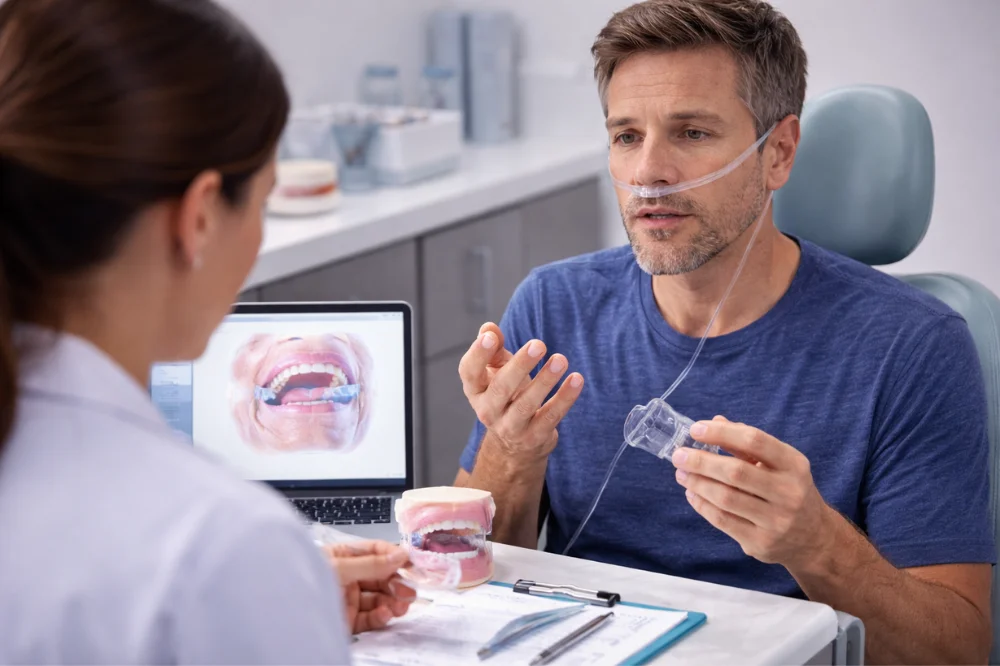
At Tempe Dentistry, Dr. Jeremy Chan helps patients understand when sleep testing is appropriate and how results are used after a medical diagnosis is made. Dr. Chan is a dentist with advanced training in sleep-disordered breathing and works closely with board-certified sleep physicians who diagnose sleep conditions. His role is to help screen risk, explain options, and coordinate care once a diagnosis is confirmed.
The Short Version: What Is a Sleep Test and Why Might You Need One?
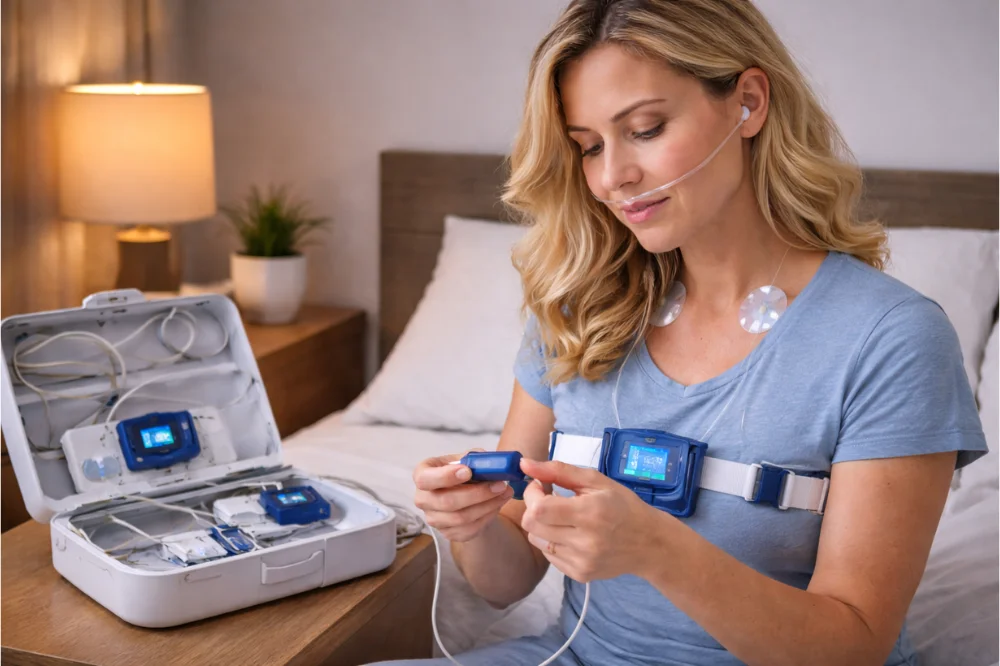
A sleep test is a non-invasive way to monitor what your body does while you sleep. It records breathing, oxygen levels, heart rate, movement, and sometimes brain activity. The goal is to see what is actually happening during sleep instead of guessing.
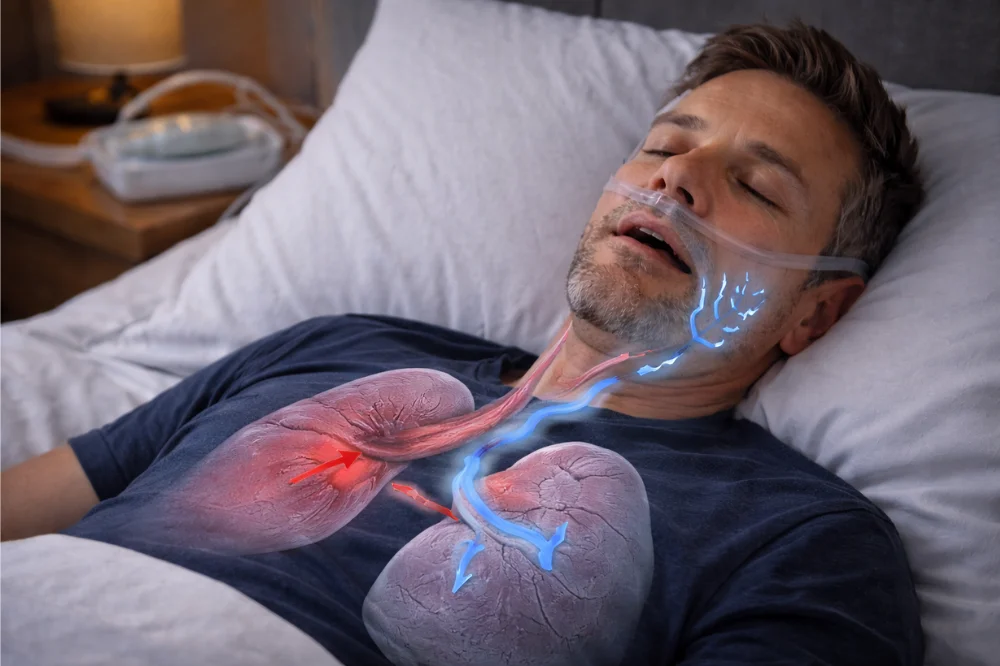
Doctors order sleep tests for many reasons. Loud snoring, breathing pauses, gasping at night, chronic fatigue, insomnia, restless legs, or unusual nighttime behaviors can all prompt testing. The results help a sleep physician diagnose or rule out sleep apnea and other sleep disorders.
Sleep tests are done either at home or overnight in a sleep lab. The type chosen depends on symptoms, health history, and risk factors. Many Tempe adults start with home testing, while others need in-lab studies.
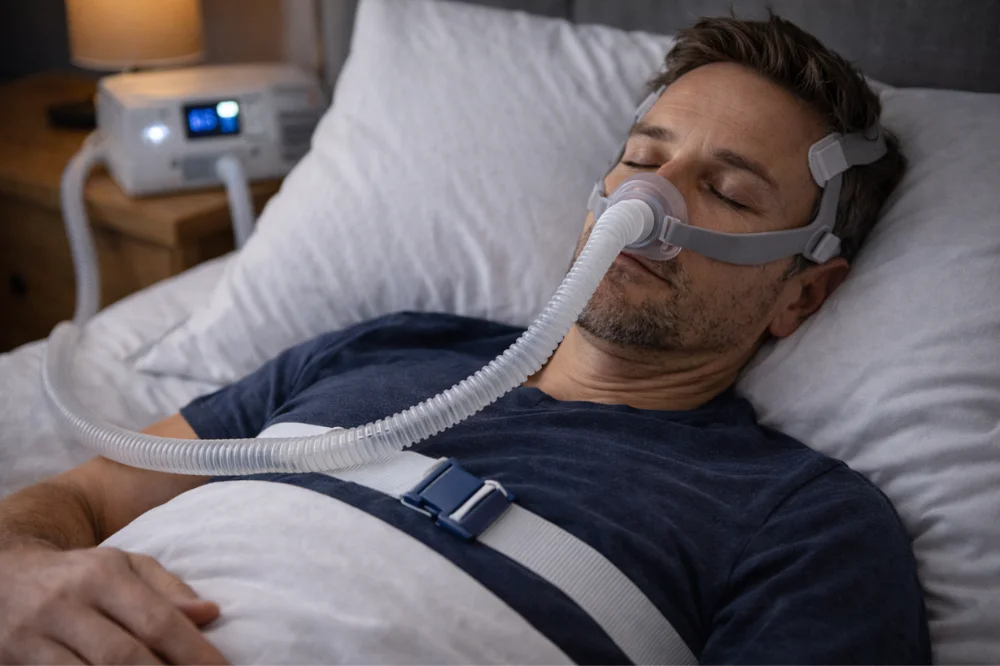
The test produces a detailed report that a board-certified sleep specialist reviews. That diagnosis then guides treatment such as CPAP, oral appliance therapy, positional therapy, or medication.
Types of Sleep Tests Explained
There are several types of sleep tests, and most people only need one or two. Each test serves a specific purpose and looks at different aspects of sleep and breathing.
Understanding the differences helps you know why your provider recommends a particular study. The decision is based on symptoms, medical history, and what conditions need to be ruled out.
| Sleep Test Type | What It Measures | Common Uses | Where It Happens |
| Polysomnography (PSG) | Brain waves, breathing, oxygen, heart rate, movement | Diagnoses OSA, CSA, parasomnias, PLMD | In-lab sleep center |
| Home Sleep Apnea Test (HSAT) | Breathing, oxygen, heart rate, effort | Suspected uncomplicated OSA | At home |
| CPAP Titration Study | Breathing response to CPAP | Finds ideal CPAP pressure | In-lab |
| Split-Night Study | Diagnosis + CPAP in one night | Moderate to severe OSA | In-lab |
| MSLT | Daytime sleep latency and REM | Narcolepsy, hypersomnia | In-lab/daytime |
| MWT | Ability to stay awake | Safety and treatment response | In-lab/daytime |
Seeing the tests side by side makes it easier to understand why not all sleep studies are the same. Your provider chooses the test that answers the right question.
Home Sleep Test vs In-Lab Sleep Study: Which Is Right for You?
Many Tempe adults ask whether they can avoid a lab and test at home. Home sleep tests are comfortable, lower cost, and easier to schedule. They work best for adults with strong suspicion of obstructive sleep apnea and no major medical conditions.
In-lab studies are recommended when symptoms are complex or when other sleep disorders are suspected. Heart failure, COPD, neurologic disease, suspected central sleep apnea, parasomnias, or an inconclusive home test all point toward lab testing.
Home tests collect less data and can underestimate severity in some people. In-lab studies use more sensors and are supervised by technologists, making them more comprehensive.
Tempe residents often have access to both options. Home testing may be offered through local clinics, while in-lab studies are available at centers such as Banner Desert or Valley Sleep Center.
What to Expect Before, During, and After a Sleep Study
Knowing the process ahead of time reduces anxiety. Preparation is usually simple. You may be asked to avoid caffeine or alcohol and follow your normal sleep schedule.
For an in-lab study, you arrive in the evening to a private room that feels similar to a hotel. Sensors are placed on the scalp, chest, legs, and face. You can move, change positions, and use the restroom if needed.
For a home sleep test, you pick up or receive a small device with instructions. You sleep in your own bed and return the device the next day.
After the test, a technologist scores the data and a board-certified sleep physician interprets it. Results usually return within days to a couple of weeks. A follow-up visit reviews the diagnosis and treatment options.
Understanding Your Sleep Test Results
Sleep study reports include numbers that can feel overwhelming at first. The most common is the Apnea-Hypopnea Index, or AHI, which reflects breathing interruptions per hour.
Oxygen levels show how often and how deeply oxygen drops during sleep. Time spent below normal oxygen levels is important for heart and brain health.
Reports may also include sleep stages, arousals, leg movements, and whether events happen more on your back or during REM sleep. Looking at the full pattern matters more than any single number.
Special Tests for Non-Apnea Sleep Disorders
Not all sleep problems involve breathing. Some tests look at daytime sleepiness or nighttime movements and behaviors.
The Multiple Sleep Latency Test measures how quickly you fall asleep during scheduled naps and whether you enter REM sleep. It helps diagnose narcolepsy and hypersomnia.
The Maintenance of Wakefulness Test measures your ability to stay awake and is sometimes required for safety-sensitive jobs. These tests are done in specialized labs.
Sleep Testing Options in Tempe, AZ
Tempe residents have access to several sleep testing pathways. Many start with home testing through local clinics and move to lab studies if needed.
In-lab options exist through regional centers such as Banner Desert Medical Center and Valley Sleep Center. Phoenix-area institutes also provide advanced testing.
Referrals may come from primary care doctors, sleep specialists, or dentists trained in sleep apnea screening. Coordinated care improves outcomes and follow-through.
Taking the Next Step Toward Clarity
Sleep tests are tools that turn symptoms into answers. There is no single right test for everyone, but there is a right starting point based on your symptoms and health history.
Dr. Jeremy Chan helps Tempe patients understand when sleep testing makes sense and how results are used after diagnosis by a sleep physician. Whether you live near Downtown Tempe, South Tempe, or The Lakes, the next step is a conversation that leads to clarity, proper testing, and a plan that supports better sleep and long-term health.
Frequently Asked Questions
Do sleep tests diagnose sleep apnea?
Sleep tests provide the data needed for diagnosis, but the diagnosis itself is made by a board-certified sleep physician. Understanding this matters because dentists and primary care providers use results differently in treatment planning.
Is a home sleep test as accurate as a lab study?
Home tests work well for uncomplicated suspected obstructive sleep apnea, but they cannot detect many other sleep disorders. Lab studies collect more data and are needed in complex cases.
What if I cannot sleep during the test?
Many people worry about this, but even partial sleep provides useful information. Poor sleep during a study is common and accounted for during interpretation.
How do sleep test results affect treatment choices?
Results guide treatment type and intensity. AHI, oxygen levels, and event patterns help determine whether CPAP, oral appliances, or other therapies are appropriate.