



The staff provided excellent care, were nice to talk to and made a very comfortable visit. They were able to provide fillings to several chipped teeth with short notice while visiting Phoenix from out of country. Both myself and my dentist back home agreed the quality of the fillings were well done, and the colour was a great match. Highly recommend for the great staff and professional work done.
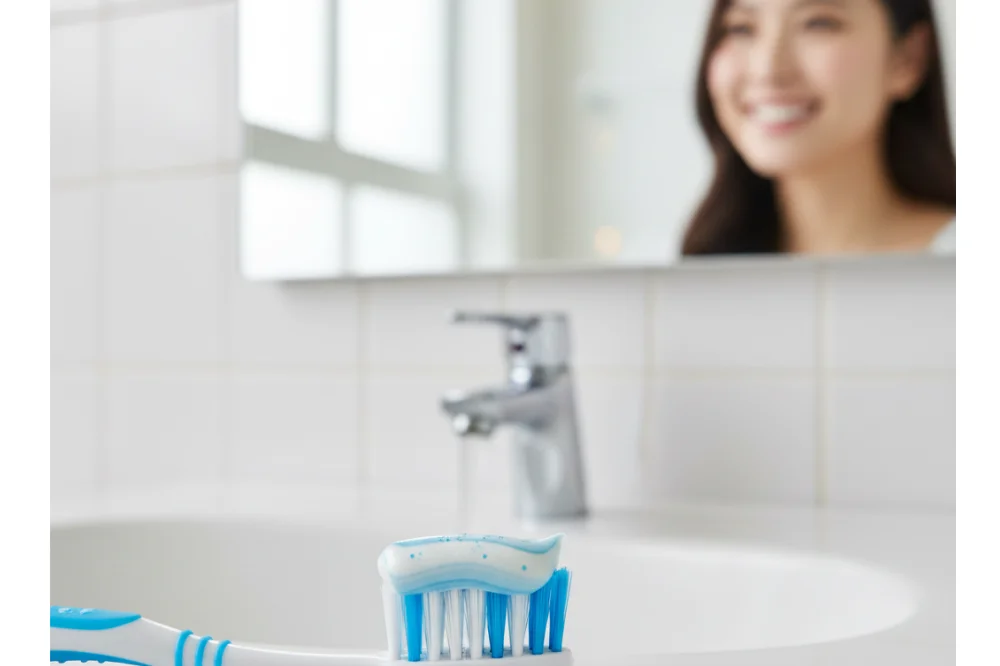
Whitening toothpaste might not seem like a big deal, but for many people in Tempe, it’s the go-to way to keep their smile looking bright without going through a full in-office whitening treatment. It’s easy to pick up at the store, simple to add to your routine, and it promises to help remove everyday stains from coffee, tea, wine, and other foods that slowly dull your teeth. But does it actually work? And is it safe to use every day?
Dr. Jeremy Chan at Tempe Dentistry sees these questions come up all the time, especially from patients in neighborhoods like South Tempe, Alameda-Campus, and The Lakes. With his advanced training in cosmetic dentistry and preventive care, Dr. Chan knows the difference between what toothpaste can do, and what it can’t. If you’re brushing twice a day and hoping for a little boost in brightness, here’s what you need to know.
Why People Use Whitening Toothpaste
A lot of people don’t want to mess with gels or trays. They just want something simple that fits into their normal brushing routine. Whitening toothpaste seems like the obvious choice because it’s affordable, accessible, and already part of your daily habit. You’re not changing anything, you’re just hoping for better results.
Whitening toothpaste is especially popular among people who’ve had professional whitening and want to maintain those results over time. Others use it as a preventive step to avoid letting everyday stains settle in. Either way, it’s a low-effort way to feel like you’re doing something extra to keep your teeth looking their best.
What’s Actually in Whitening Toothpaste?
Let’s talk ingredients. Whitening toothpastes typically contain mild abrasives that help polish away surface stains. These are different from the chemicals used in professional whitening gels. They don’t change the internal color of your teeth, but they can remove the film that makes your smile look dull.
Some products also contain low levels of hydrogen peroxide or carbamide peroxide. These are the same whitening agents used in-office, but at much lower concentrations. Over time, they can help lighten teeth slightly, though the change is usually subtle.
Pros and Cons of Whitening Toothpaste
Whitening toothpaste seems like a quick win for a brighter smile, but it’s not one-size-fits-all. Depending on the formula, your brushing habits, and your overall dental health, the results and risks can vary. Here’s a closer look at some of the most common pros and cons:
- Pros:
- Easy to use, just swap it into your regular brushing routine.
- Inexpensive and widely available.
- Helps prevent new stains from forming on the surface.
- Some contain fluoride to help protect against cavities.
- Cons:
- Results are limited to surface stains.
- Overuse of abrasive formulas can wear down enamel.
- Peroxide-based formulas may cause sensitivity for some users.
- Not effective for deep discoloration or intrinsic stains.
Understanding the limitations of whitening toothpaste can help you use it wisely. Dr. Chan often recommends alternating it with a non-whitening toothpaste to reduce enamel wear, especially for patients with sensitivity or thin enamel.
Who Benefits Most from Whitening Toothpaste?
Whitening toothpaste works best for people who already have a healthy smile and want to keep it that way. If your teeth are mostly free of deep stains and you don’t want to invest in professional whitening yet, this can be a good first step. It’s also ideal for people who’ve had whitening done in the past and just want to maintain their results.
On the flip side, if your teeth are already sensitive or have visible enamel wear, whitening toothpaste might not be the best option. Abrasive formulas could make things worse, especially if you brush too hard or use it too often. That’s why it’s worth having a quick conversation with your dentist before making a switch.
What to Look For in a Whitening Toothpaste
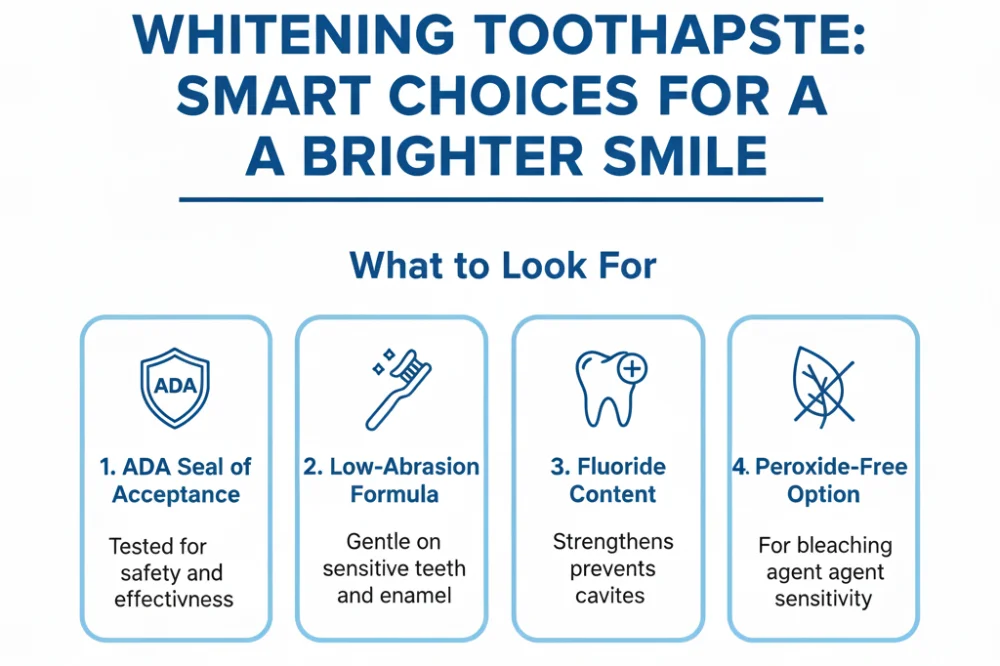
With so many whitening toothpastes available on store shelves, it’s important to know what to prioritize. Not all formulas are created equal, and some could do more harm than good without you even realizing it. Here’s what Dr. Chan suggests looking for when making your choice:
- The ADA Seal of Acceptance, which means it’s been tested for safety and effectiveness.
- Low-abrasion formulas if you have sensitive teeth.
- Fluoride content to support cavity prevention.
- Peroxide-free options if you’re sensitive to bleaching agents.
Finding the right product starts with your specific needs. If you’re unsure where your current toothpaste stands, bring it with you to your next dental visit. Dr. Chan can review the ingredients and let you know if it’s helping or possibly working against your goals.
Whitening Toothpaste vs. Professional Whitening
| Feature | Whitening Toothpaste | Professional Whitening |
| Effectiveness | Mild, surface-level results | Deep, noticeable whitening |
| Time to See Results | Several weeks with daily use | 1–2 sessions |
| Cost | Low ($5–$15 per tube) | Moderate to high (varies) |
| Sensitivity Risk | Low to moderate | Moderate (temporary) |
| Longevity of Results | Short-term maintenance | Long-lasting with touch-ups |
Whitening toothpaste isn’t a replacement for in-office treatment, but it plays a valuable role in your daily routine. It can help prevent new stains and keep your teeth looking clean between visits. Think of it as part of the foundation, not the whole house.
The Best Way to Maintain a Bright Smile
If you’re serious about keeping your smile white, it takes more than just the right toothpaste. Daily brushing, flossing, avoiding stain-causing foods, and regular dental cleanings all matter. Whitening toothpaste can be a helpful piece of the puzzle, but it works best when combined with good habits and professional guidance.
Dr. Jeremy Chan and the team at Tempe Dentistry are here to help you build a plan that keeps your teeth healthy and your smile glowing. Whether you need a recommendation on toothpaste, want to try in-office whitening, or just have questions about sensitivity, we’re ready to support your goals.
Frequently Asked Questions
Does whitening toothpaste really work?
People want a low-effort way to brighten their smile and need to know what whitening toothpaste can realistically do (and what it can’t).
What they should ask instead: How much whitening can I expect from toothpaste alone, and what kind of stains does it actually help with?
- Immediate Insight: Whitening toothpastes can help remove surface stains (from coffee, tea, wine, etc.) and make teeth look cleaner and slightly brighter, but they do not significantly change the natural underlying tooth color the way peroxide-based whitening does.
- Supporting Context: The American Dental Association explains that most whitening toothpastes use mild abrasives or polishing agents; they don’t usually contain strong bleaching agents.[ADA] Cleveland Clinic notes they are best for maintaining brightness and managing new stains, not for dramatic “several-shades-lighter” changes.
- Deeper Implication: Think of whitening toothpaste as a maintenance tool: great for polishing away everyday stains and supporting professional whitening results, but not a substitute for in‑office or supervised take‑home whitening if you’re seeking a major shade change.
Can whitening toothpaste damage your teeth?
Patients worry that “scrubby” or gritty formulas might wear down enamel or make teeth sensitive.
What they should ask instead: How do I choose a whitening toothpaste that’s effective without being too abrasive?
- Immediate Insight: Overly abrasive toothpastes, especially if used with hard brushing, can gradually wear enamel and contribute to sensitivity or gum recession over time.
- Supporting Context: Reputable brands and professional organizations recommend looking for low‑abrasion formulas and using a soft‑bristled brush with gentle pressure; products with an ADA Seal have been evaluated for safety and effectiveness when used as directed.
- Deeper Implication: If you like the idea of whitening toothpaste, choose one with proven safety data, avoid “DIY” gritty mixes, and let technique (gentle, 2‑minute brushing) do the work, not force.
Is it okay to use whitening toothpaste every day?
People want to know if long‑term daily use is safe, especially for enamel and gums.
What they should ask instead: Who can safely use whitening toothpaste daily, and when should I stop or switch?
- Immediate Insight: For most people, using an ADA‑accepted whitening toothpaste twice daily is safe. If you notice increased sensitivity, gum irritation, or roughness, it’s important to talk with your dentist.
- Supporting Context: Health resources note that some people with existing enamel wear, gum recession, or sensitive teeth may do better alternating whitening toothpaste with a sensitivity or fluoride formula, or using whitening pastes only a few times per week.
- Deeper Implication: Regular checkups plus open communication with your dentist help you fine‑tune how often to use whitening products so you get cosmetic benefit without sacrificing comfort or tooth structure.
Should I use whitening toothpaste after getting my teeth professionally whitened?
After investing in professional whitening, people want to preserve results as long as possible.
What they should ask instead: What’s the best way to maintain my in‑office whitening results at home?
- Immediate Insight: Yes, using a gentle whitening toothpaste after professional treatment can help reduce new surface stains and keep your smile looking brighter between cleanings.
- Supporting Context: Cleveland Clinic notes that lifestyle (coffee, tea, red wine, smoking) strongly affects how long results last; whitening toothpaste plus good hygiene and periodic touch‑ups can extend the time before you need another full whitening cycle.
- Deeper Implication: Ask your dentist which specific toothpaste fits your enamel and sensitivity level; combining their recommendation with sensible diet choices (rinsing after dark drinks, not brushing immediately after acids) protects both color and enamel health.