


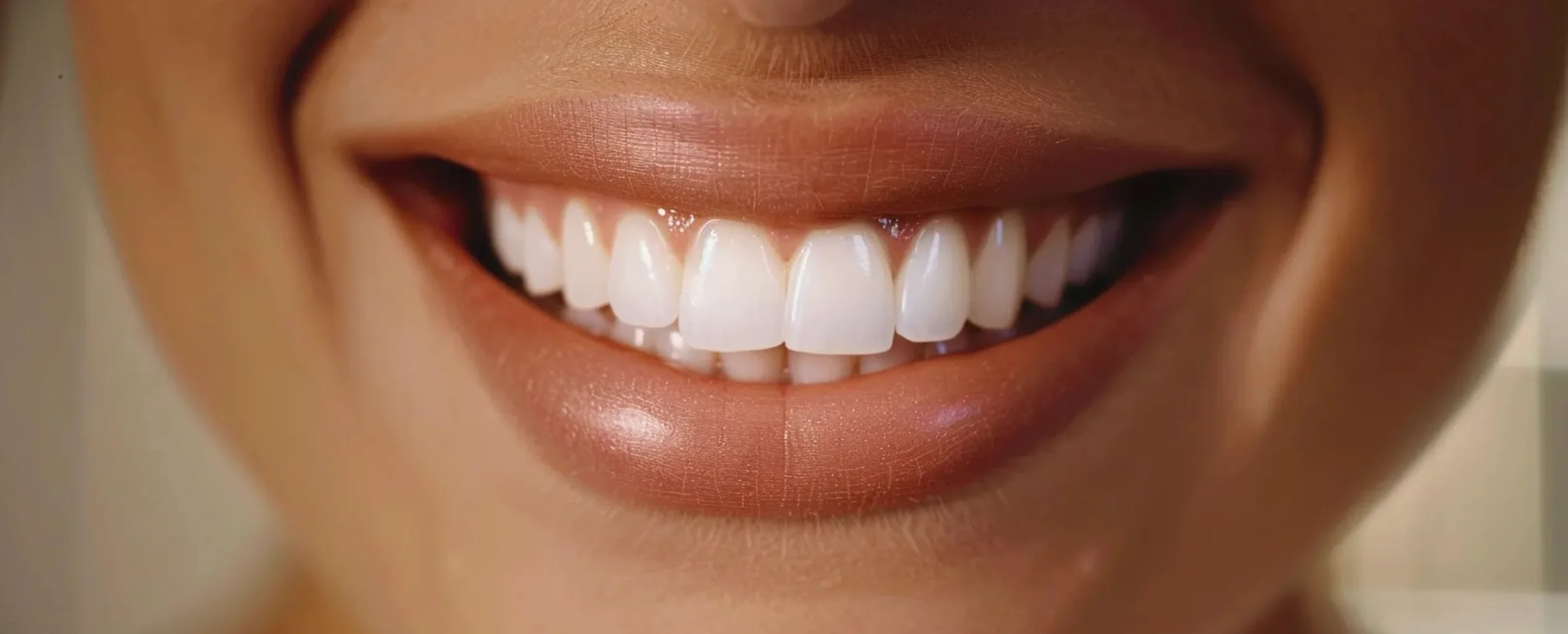
The staff provided excellent care, were nice to talk to and made a very comfortable visit. They were able to provide fillings to several chipped teeth with short notice while visiting Phoenix from out of country. Both myself and my dentist back home agreed the quality of the fillings were well done, and the colour was a great match. Highly recommend for the great staff and professional work done.

Did you just bite into something and feel a strange crack or see a piece of your crown chip off? Don’t worry, this happens to lots of people, and it’s usually fixable! A damaged crown might look scary, but understanding what to do next can save your tooth.
Dr. Jeremy Chan, a Phoenix native practicing in Tempe, brings advanced expertise in restorative dentistry including crown repair and replacement. With his specialized training, Dr. Chan helps patients handle crown damage with confidence.
When a dental crown gets damaged with cracks or chips, it exposes your underlying tooth to potential harm. This damage can range from tiny surface scratches to major breaks. The key is understanding that any damage needs attention, even if it seems small. What starts as a minor chip can quickly become a bigger problem if bacteria get underneath.
Why Crown Damage Is Serious
Think of your dental crown like a fortress wall protecting a treasure inside. When that wall gets damaged, even with small cracks, it creates weak spots that let enemies sneak through.
Crown damage breaks down your tooth’s protective barrier. Your crown acts like a shield that keeps harmful bacteria away from the sensitive tooth structure underneath. When cracks or chips appear, they create tiny doorways that bacteria can use to sneak inside and start causing decay or infections.
Different types of crown damage pose different levels of risk. Surface-level damage like small scratches might only affect how your crown looks. However, deeper cracks that go all the way through the crown material can seriously compromise protection.
Types of Crown Damage:
- Surface scratches: Mainly cosmetic, low immediate risk
- Small chips: May worsen over time, moderate risk
- Deep cracks: High risk for bacterial invasion
- Large breaks: Severe risk, requires immediate attention
- Crown separation: Emergency situation
- Multiple damage areas: Complex repair needed
Your experience with crown damage varies depending on location and severity. Some people notice sensitivity to hot or cold foods right away, while others might feel rough edges with their tongue or discomfort when biting down.
Understanding Your Crown Damage
Minor cosmetic damage includes small surface scratches or tiny chips along the edges that don’t affect function. While these might make your crown look less perfect, they usually don’t create immediate health risks. However, even minor damage should be monitored because small problems can grow.
More serious structural damage affects your crown’s ability to protect your tooth. Deep cracks that go through the crown material can compromise the seal between the crown and your natural tooth. Large chips can leave sharp edges that irritate your tongue and cheeks.
The most severe crown damage involves breaks or separations that leave your underlying tooth exposed. When a crown breaks into multiple pieces or becomes completely detached, the situation becomes a dental emergency requiring immediate care.
Repair or Replace: Making the Right Choice
The severity and location of the damage play the biggest role. Small chips along the chewing surface might be successfully repaired with dental bonding material. However, cracks that extend deep into the crown structure or damage near the gum line often require complete replacement.
Repair vs Replacement Factors:
| Factor | Favors Repair | Favors Replacement |
| Damage Size | Small chips, minor cracks | Large breaks, multiple cracks |
| Crown Age | Newer crowns | Older crowns nearing end of life |
| Location | Non-critical areas | Margin areas, heavy chewing zones |
The age and overall condition of your existing crown significantly influence whether repair makes sense. A relatively new crown that suffered minor damage from an accident might be an excellent candidate for repair. An older crown that has already had previous repairs might be better replaced completely.
Modern dental technology has made crown replacement more attractive. Today’s crowns are stronger, more natural-looking, and longer-lasting than crowns made just a few years ago. Digital impression technology allows for more precise fits.
The Dangers of Delaying Crown Repair
Putting off treatment for a damaged crown almost always leads to bigger problems and higher costs.
A tiny crack that seems harmless can spread rapidly through the crown material, especially when exposed to constant chewing forces and temperature changes. What starts as a simple repair job can quickly escalate into crown replacement, root canal treatment, or even tooth extraction.
Bacterial invasion represents one of the most serious risks. When crown damage creates openings, bacteria from your mouth immediately begin to colonize these areas and work their way underneath. Once bacteria establish themselves, they can cause rapid decay. This decay often progresses painlessly at first.
Potential Complications from Delayed Repair:
- Crack propagation leading to crown failure
- Bacterial infiltration causing tooth decay
- Root canal infection requiring emergency treatment
- Tooth structure loss necessitating extraction
- Gum inflammation
- Adjacent tooth damage from bite changes
The financial consequences can be substantial. A small chip that could be repaired inexpensively today might require a completely new crown if left untreated. If bacteria cause significant decay, you might need root canal therapy in addition to crown replacement, potentially tripling or quadrupling the cost.
How We Fix Your Damaged Crown
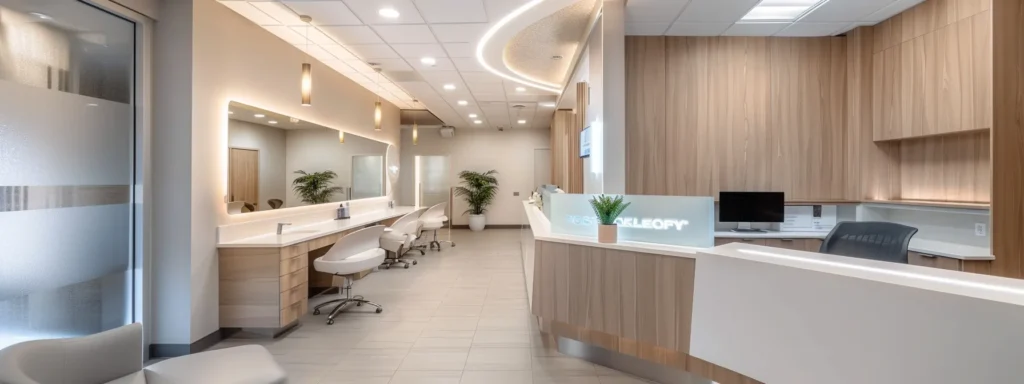
At our Tempe dental practice, we use a systematic approach to diagnose and treat crown damage.
Accurate diagnosis forms the foundation of successful crown treatment. Our examination begins with detailed visual inspection using high-powered magnification. We use advanced imaging technology, including digital X-rays and 3D scanning when necessary, to see problems that aren’t visible to the naked eye.
We explain our diagnostic findings in simple terms, showing you exactly what we see and what it means for your treatment options. Before beginning any work, we discuss all available treatment choices, their costs, and expected outcomes.
Our Crown Treatment Process:
- Detailed visual examination with magnification
- Advanced imaging to assess hidden damage
- Thorough explanation of findings and options
- Customized treatment planning
- State-of-the-art repair or replacement procedures
- Follow-up care to ensure optimal healing
Advanced technology allows us to provide crown treatments that are more precise, comfortable, and durable. Our digital impression system eliminates messy traditional impressions while providing incredibly accurate measurements. Computer-aided design and manufacturing creates crowns that fit perfectly and blend seamlessly with your natural teeth.
Supporting Your Success After Treatment
Your crown treatment success depends on proper care and maintenance following your dental visit.
We provide detailed written instructions about caring for your new or repaired crown, including specific brushing and flossing techniques. You’ll learn about recommended oral care products, foods to avoid during healing, and signs to watch for that might indicate developing problems.
Essential Post-Treatment Care:
- Follow specific oral hygiene instructions
- Use recommended dental products
- Avoid hard or sticky foods during healing
- Monitor for signs of complications
- Attend all follow-up appointments
- Contact our office with any concerns
Ongoing professional monitoring through regular checkups ensures that your crown continues to function properly. During these visits, we examine your crown for signs of wear, check the fit and seal, and clean hard-to-reach areas.
Protecting Your Crown Investment
Developing excellent daily habits can help your crown last for many years.
Daily oral hygiene forms the foundation of crown longevity. Proper brushing removes plaque and bacteria that can weaken the bond between your crown and natural tooth. Flossing around crowns requires special attention to technique.
Smart product choices can significantly impact how long your crown lasts. Non-abrasive toothpastes help prevent scratching of crown surfaces. Soft-bristled toothbrushes clean effectively without applying excessive force. If you grind your teeth at night, a custom night guard protects your crown from excessive forces.
Daily Habits That Extend Crown Life:
- Brush twice daily with fluoride toothpaste
- Floss carefully around crown margins daily
- Use antibacterial mouthwash
- Avoid chewing ice, hard candies, or hard objects
- Don’t use teeth as tools for opening packages
- Wear a night guard if you grind your teeth
Lifestyle modifications help protect your crown from damage. Avoid hard foods that can chip or crack crowns, particularly ice cubes, popcorn kernels, and hard candies. Stay well-hydrated in Arizona’s dry climate to maintain healthy saliva flow. If you play sports, wear a properly fitted mouth guard.
Your Journey to Crown Restoration
Dealing with crown damage doesn’t have to be stressful when you have access to expert care. Dr. Jeremy Chan’s advanced training in restorative dentistry ensures that crown problems are addressed with precision and care.
Early intervention represents the key to successful crown restoration. When crown damage is addressed promptly, treatment is typically straightforward, comfortable, and highly successful. Patients who act quickly usually have more treatment options available and can often choose less invasive approaches.
At our Tempe practice, we believe that every patient deserves access to the highest quality crown care available. Our commitment to combining advanced dental technology with personalized care ensures that your crown treatment experience is positive and that your results exceed your expectations.
Tempe Dentistry
480-897-2274
4427 S Rural Road, Suite 2
Tempe, AZ 85282
https://tempe.dental/
Frequently Asked Questions
Can a cracked dental crown be repaired instead of replaced?
Whether your cracked crown can be repaired depends on the size, location, and depth of the crack. Small surface cracks or minor chips can often be repaired successfully with dental bonding materials. However, deep cracks that go through the crown or damage near the gum line typically require complete crown replacement.
Is it urgent to fix a cracked crown right away?
Yes, addressing crown damage promptly is important to prevent complications like bacterial invasion, further crack propagation, or damage to the underlying tooth. While small surface damage might not constitute an emergency, any crack or chip should be evaluated by a dentist within a few days.
How do I know if my dental crown needs to be replaced rather than repaired?
Signs that typically indicate replacement is needed include large cracks or breaks, damage in multiple areas, crowns that are already old and have had previous repairs, or situations where the underlying tooth has developed decay. Your dentist will evaluate factors like the extent of damage, crown age, and long-term prognosis to determine the best outcome.
Dr. Chan’s Arizona dental license number is 10020, verified through the Arizona State Board of Dental Examiners and the NPI Registry. Every whitening treatment follows current American Dental Association (ADA) best practices to ensure safety, comfort, and effectiveness.
The information on this page is provided to help you understand general dental care and the preventive services we offer. It’s not a substitute for professional diagnosis or individualized treatment. Every patient’s needs are different, and your dentist will evaluate your oral health before recommending any specific care or procedure. (For personalized guidance, please schedule an appointment with a licensed dental professional.)
Related Articles
Crown Materials ~ Dental Crown Procedure ~ Common Dental Crown Problems ~ Dental Crown Care ~ Dental Crown Alternatives